



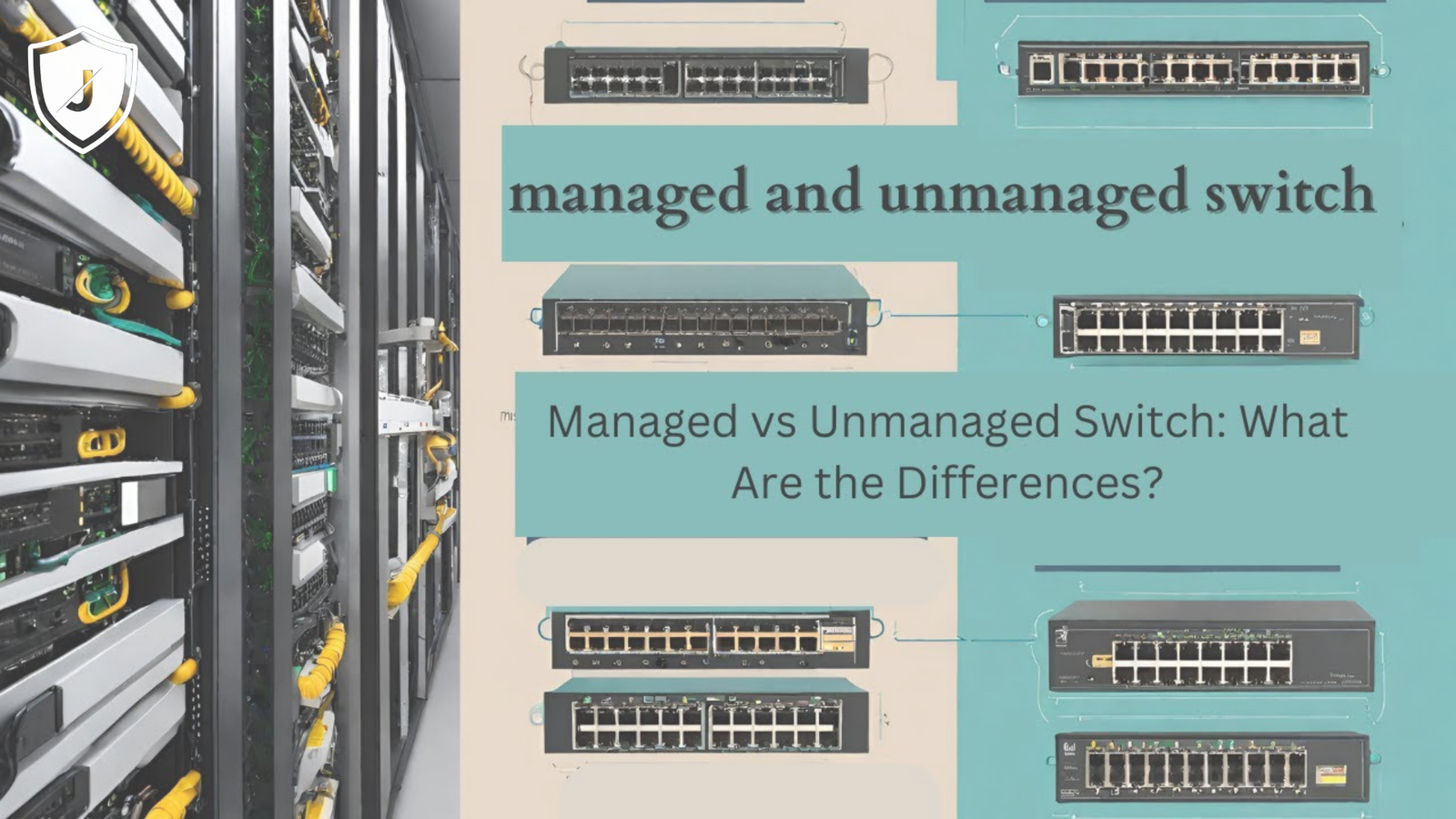
The fundamental component of business networks consists of network switches which function as their central element. The choice of Managed Switches determines three critical areas which include system performance and protection measures and capacity for future growth. Business owners must decide between two types of switch management systems which include cloud-managed switches and locally managed switches. The two systems provide distinct benefits which merchants must assess through their expense assessment. Business requirements assessment enables you to evaluate product distinctions which assist in your selection process.
The cloud managed vs local managed switches comparison enables you to assess essential elements which include control capabilities and system expansion possibilities and protective measures and financial requirements. Your understanding of each system’s advantages and disadvantages enables you to avoid making expensive errors. The appropriate switch selection process enables organizations to achieve efficient network oversight while improving system availability and implementing advanced protection mechanisms.
What Are Cloud-Managed Switches?
Cloud-managed switches are network switches connected to a cloud-based platform, which enables IT teams to monitor and control them from remote locations. The system provides multiple advantages because it enables businesses to operate cloud managed switches which include centralized monitoring and immediate notification and automatic system updates.
Cloud-managed switches function as suitable solutions which businesses with multiple locations, including retail chains and co-working spaces and branch offices, need. The system provides operational flexibility while decreasing the necessity for on-site information technology personnel. The most common hardware manufacturers for this product include Cisco Meraki and Ubiquiti UniFi and HPE Aruba and NETGEAR Insight.
The process of deploying services becomes easier because of the user-friendly design of cloud managed switches which companies can deploy with minimal effort. The cloud managed vs on-premises switch guide analyzes this switch type by demonstrating how businesses use cloud solutions and local systems for their operational requirements.
What Are Locally Managed Switches?
Locally managed switches operate through on-site configuration and on-site monitoring. The system operates independently from both cloud services and permanent internet access. The system provides multiple advantages for networks through its locally managed switch system because it delivers better security and complete configuration control and dependable operation in environments that handle sensitive information.
The switches are most suitable for office environments that have dedicated IT personnel and for office environments that experience restricted internet access. The list of switches includes Cisco Catalyst and HPE Aruba and NETGEAR ProSAFE and TP-Link JetStream. Local switch management best practices guarantee maximum efficiency and security for on-premises networks through their implementation.
Pros and Cons of Cloud-Managed Switches
Pros
Cloud-managed switches enable remote network monitoring and control capabilities, which allow IT teams to oversee multiple networks from one operational dashboard. The system provides cloud managed switch advantages and disadvantages that enable users to scale their operations while receiving automatic system updates and accessing troubleshooting services from one central location. The system provides real-time alerts together with analytics capabilities, which enable users to decrease network downtime while enhancing overall network performance.
Cons
The system needs a constant internet connection to enable users to access remote systems through cloud-managed switches. Organizations must consider subscription costs together with cloud service expenses. Vendor lock-in affects some businesses because it restricts their ability to expand their operations.
Pros and Cons of Locally Managed Switches
Pros
The network configuration process of locally managed switches allows administrators to establish complete control over their network operations. The system eliminates all cloud-related operating costs while providing essential security features and dependable performance through its native functionality. The IT staff can solve problems through on-site management because they do not need to access external server systems.
Cons
The system requires manual configuration for local switches, and the restricted remote access creates operational difficulties. The organization needs additional IT resources, which will result in increased costs for daily operations.
Key Differences Between Cloud and Local Managed Switches
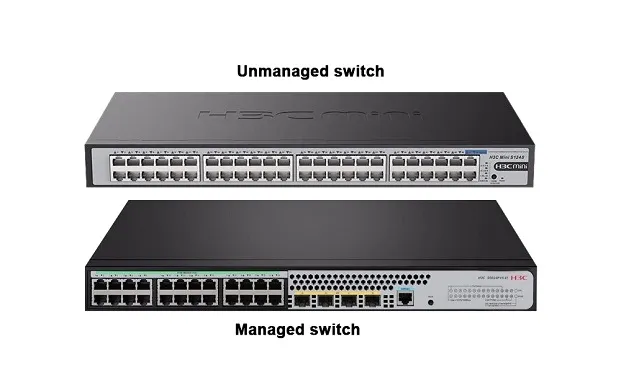
Decision-making improves when people understand the distinctions between cloud systems and local systems. The deployment guide for cloud versus local switches demonstrates that cloud switches offer simpler remote management while local switches enable direct control and enhanced protection.
The evaluation includes multiple factors which require assessment.
- Management: Cloud switches operate through cloud control, while local switches function through on-premises systems.
- Cost: Cloud switches require subscription payments, whereas local switches demand higher initial investment.
- Maintenance: Cloud switches perform automatic updates, whereas local switches need users to execute updates.
This comparison helps enterprises determine the appropriate network switch management solution which fits their operational requirements. Companies can utilize deployment tips about cloud-managed and local switch setups to enhance their deployment process.
How to Choose the Right Switch for Your Network
Businesses should assess their size and available IT resources together with their financial capacity and actual network requirements. The affordable cloud managed switches designed for small offices serve as an ideal solution for small teams because they enable simple management tasks and provide remote access capabilities. Managed network switches designed for enterprises that operate in local environments represent the preferred choice for larger companies which handle sensitive data.
Companies need to assess which managed switch solution provides the best value through its security features and growth potential and affordable pricing for small business networks. Decision-makers find it easier to make choices when they develop a checklist that includes their business requirements together with their IT capabilities and security needs.
Use Cases and Real-World Examples
Cloud-managed switches work best with networks that need to operate across various office locations. The system enables IT personnel to perform updates while actively tracking network activity and executing remote device operations.
Switches that need local management work best in spaces where security requirements and operational control needs to be enforced, including financial institutions, industrial sites, and government facilities. The hybrid system combines both systems to provide maximum operational freedom while maintaining control which matches the comparison method used between cloud-managed and local-managed switches.
Installation and Maintenance Tips
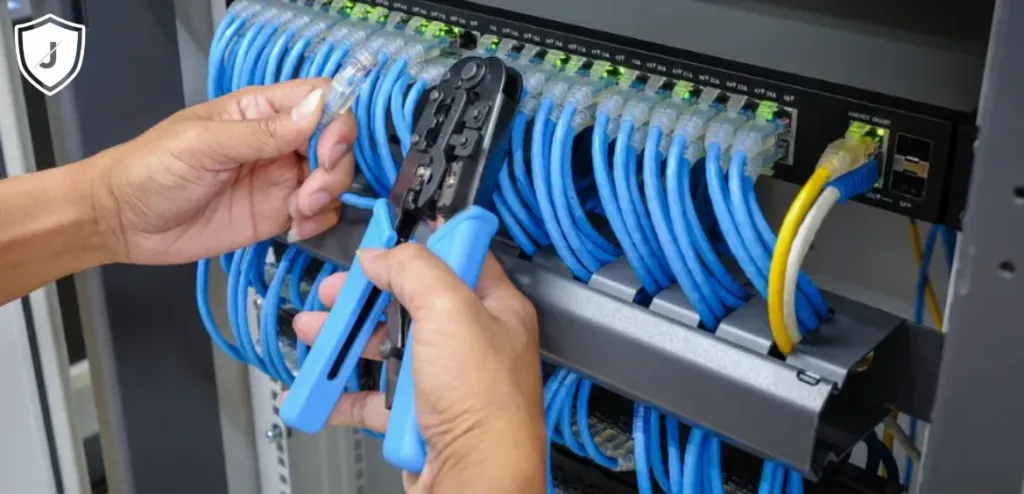
The establishment of cloud-managed switches needs from installation sites to possess internet connections which remain accessible at all times. The system needs monitoring dashboards to get visual displays which show active system status while creating real-time notifications and automatic update functions.
The installation of local switches needs planners to determine optimal locations for equipment which needs to connect through properly organized cables while technicians conduct manual updates on system software. Both systems require security measures to protect operations together with official documents and security measures which need to be monitored on a regular basis. The implementation of local switch management best practices leads to sustainable system performance across extended periods.
Cost Comparison
The adoption of cloud-managed switches requires subscription payments which result in reduced initial hardware expenses. The local switch system needs more money upfront however it creates no extra costs during its operational life. Through total cost of ownership assessment which includes IT personnel expenses and operational upkeep costs, organizations can determine return on investment while selecting their most suitable network solution.
Frequently Asked Questions (FAQ)
1. Are cloud-managed switches better for small businesses?
The technology provides network management solutions which need fewer onsite IT staff members and enable monitoring through remote access. Small offices benefit from affordable cloud managed switches because these systems meet their particular needs.
2. Can I switch from a local to a cloud-managed switch?
The business can start its transition to the new system through gradual implementation. The system enables organizations to use both local and cloud resources while keeping their security standards intact.
3. Do cloud-managed switches require constant internet?
The system needs internet access to enable remote operations and administrative tasks. Local operations of the switches will continue during periods when internet access is unavailable.
4. Which switch type is more secure: cloud or local?
Local switches provide on-premises control and security. Cloud switches use vendor security measures although they achieve robust security through proper configuration.
5. How much does it cost to maintain a cloud-managed switch?
Vendor costs differ since they charge subscription fees for management platforms which need minimal onsite support.
Conclusion
The decision between cloud-managed and locally managed switches requires evaluation of the business size and IT capacity and security requirements. Cloud-managed switches provide users with easy access to their systems which they can expand while operating from any location. In contrast, locally managed switches give users full control over their systems which need no internet connection to function.
The cloud managed vs local managed switches comparison enables enterprises to select their most suitable option. Proper installation and maintenance procedures ensure that all network types, including cloud and local and hybrid networks, will function securely and reliably.

