



Cisco ranks at the top of networking technology globally, producing versatile switches that promise extreme reliability on performance. Such switches are widely utilized by enterprises, data centers, or small business outlets due to their high efficiency and advanced features. This article will explain various categories of Cisco switches based on their classification and how Cisco continues to be the number one brand worldwide.
Types of Cisco Switches:
On the basis of use and functionality, Cisco switches fall under these broad categories:
1. Fixed Configuration Switches
Having a preset number of ports and not expandable, the fixed configuration switch series from Cisco is for small to medium businesses.
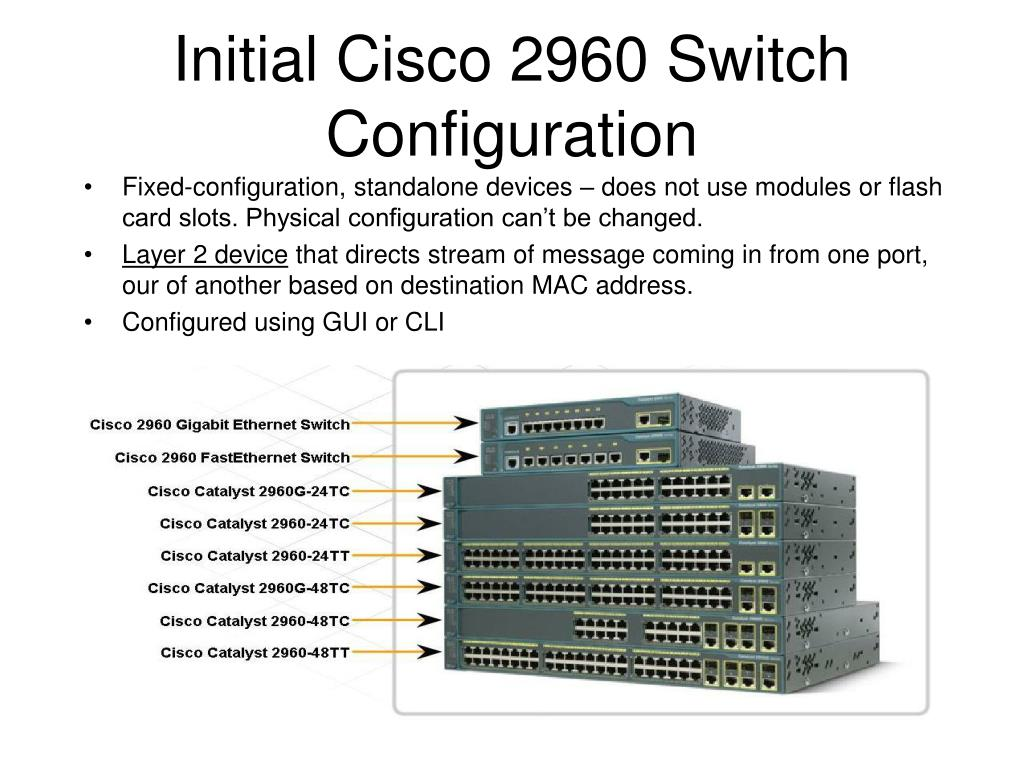
Subtypes:
- Simple Switch: Basic plug-and-play; no management. Used for home networking/small offices.
- Managed Switches: Includes advanced features such as VLANs, QoS, and security settings. Best for enterprise-type networks.
- Smart Switch: Falls between unmanaged and managed because of partial configuration abilities while being reasonably priced.
2. Modular Switches
Modular switches can be customized by adding modules for additional ports, power supply, or network capabilities. They are mostly in streams of large enterprises and data centers.
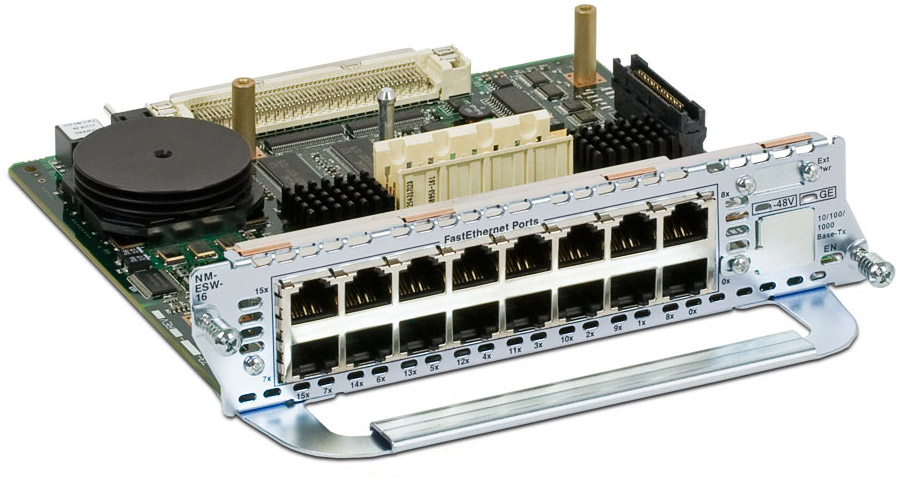
Subtypes:
- Enterprise Modular Switches: Can easily scale high and provide advanced networking features.
- Data Center Switches: Built for the speedy fabric of networking with cloud and virtualization optimization.
3. Layer 2 and Layer 3 Switches
These switches are classified on the basis of the OSI layer that they perform.
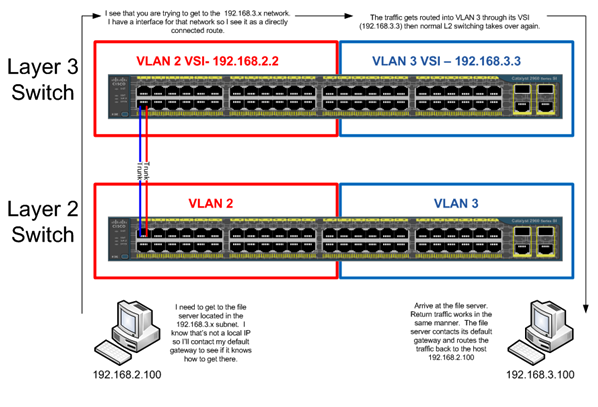
- Layer 2 Switches:The Data Link Layer is used for simple switching and segmenting VLANs.
- Layer 3 Switches:Layer 3 switches correspond to the Network Layer and have the ability to lengthen switching with routing functions.
4. Stackable Switches Stackable switches
Multiple switches can be interconnected to a single switch and thus managed as one unit. Such switches would not be complex to upgrade compared to the modular switches.
5. PoE (Power over Ethernet) Switches
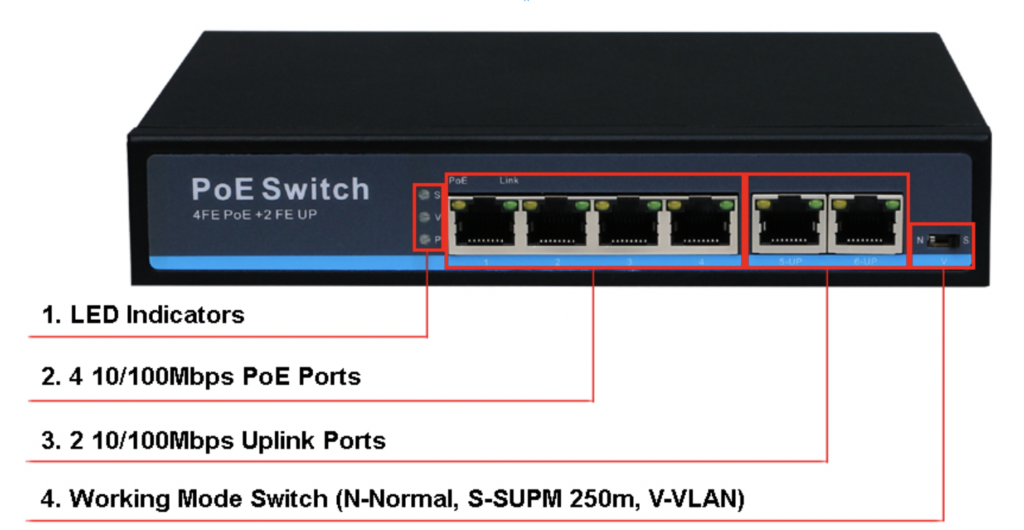
Such switches are needed to send electrical power and data to devices such as IP cameras, VoIP phones, and wireless access points, doing away with needing additional power outlets.
6. Industrial Switches
Industrial switches are meant for severe conditions, be it in manufacturing plants or outdoors. They are extremely sturdy, rugged in design, and resist extreme temperatures.
Cisco Switches were Bought Most
The reasons for Cisco’s having total reign over the world’s networking industry are as follows:
- Reliability and Record: the significant performance Cisco Switch embodies high reliability and uptime standards.
- Advanced Security: Cisco itself brings strong security features into development such as encrypted traffic analytics, AI-powered threat detection, and firewall integration.
- Scalability: Cisco gives switches that serve huge markets-from the smallest offices to the largest data centers.
- Wide-ranging Warranty and Access Services Worldwide: Through all these different technical support and warranty facilities corresponding for such quick user support, Cisco has created a worldwide standard service-based support and warranty system for each Cisco customer.
- Innovative Technologies: Cisco keeps on innovating touching upon such details like intent-based networking along with automation in order to keep its products ahead of the competition.
Summary
Cisco can offer up quite the series of switches to a different organization: from small offices, corporate companies, or even enterprise networks. They are the first choice for business.
As Jazz Cyber Shield, we have 100% brand-new Cisco switches that have clean serials so that they are genuine. Those less complicated unmanaged switches and advanced data center solutions-all are here in the spectrum you ask for. So, go and visit our website to check out the products that will help you improve your network infrastructure.




This guide helped clarify the various Cisco switch categories. I’d love to see a follow-up covering how to choose the right switch for specific use cases like VoIP or remote offices.
I appreciated the clear explanation of how Cisco categorizes its switches. Would love to see a follow-up post on how to configure them for different environments.
Great breakdown of Cisco switch types—really helpful for anyone trying to choose the right one for their setup. I’d be curious to see more detail on how these switches scale in different environments, like growing SMBs versus large enterprises.
I appreciate the breakdown of switch categories—it really helps demystify which models suit different network environments. Would love to see a follow-up post diving into best practices for configuring these switches in real-world scenarios!
Nice overview! Would be interesting to dive deeper into the security features Cisco integrates into its switches, especially for organizations prioritizing network protection.
Great breakdown of Cisco switch types—it’s super helpful to see how they’re categorized based on functionality and scale. One area I’d love to see more on is how these switch types fit into hybrid or cloud-managed environments, since so many networks are shifting that way. Do you think Cisco’s newer lines are keeping up with that transition effectively?
Great breakdown of Cisco switch types—this really helps clarify the differences for those of us working with mixed-scale networks. I’d be curious to know your take on how software-defined networking is influencing switch deployment today.
Great overview!Blog Comment Creation Guide It’s helpful how you broke down the types of Cisco switches and their roles in different environments like data centers and small businesses. I’d be curious to hear more about how these switches compare in terms of scalability for growing networks.
I love how this guide breaks down the different categories of Cisco switches. Having a clear understanding of their functionalities is key, especially for businesses looking to scale their network infrastructure.
I’ve worked with Cisco switches in both enterprise and SMB settings, and the reliability is unmatched. This guide is a helpful refresher for anyone trying to match the right switch to their environment.
Reading about the different types of Cisco switches really underlines the importance of picking the right hardware for your specific network needs, especially as more businesses move toward hybrid environments. It’s becoming clearer that network flexibility is just as critical as reliability nowadays.
I really appreciate how you broke down the different types of Cisco switches in this guide. Understanding the distinctions between models like the Catalyst and Nexus series makes it easier to choose the right one for specific networking needs.
This was a helpful breakdown! Cisco’s consistent reliability really shows why they dominate so many networking setups. I’d love to see a follow-up that touches on common challenges when configuring their different switch types.
This was a helpful breakdown—especially for those of us trying to navigate what’s best for hybrid environments. A follow-up on how to choose between managed vs. unmanaged options would be really valuable.
This post does a solid job simplifying the complexity of Cisco’s offerings. Understanding where each type fits—from small business setups to large-scale data centers—really helps when planning or scaling a network.
It’s great to see a breakdown of Cisco switch types—especially helpful for those navigating choices between access, distribution, and core layers. Understanding how each type aligns with specific network needs is crucial for designing scalable infrastructure.