



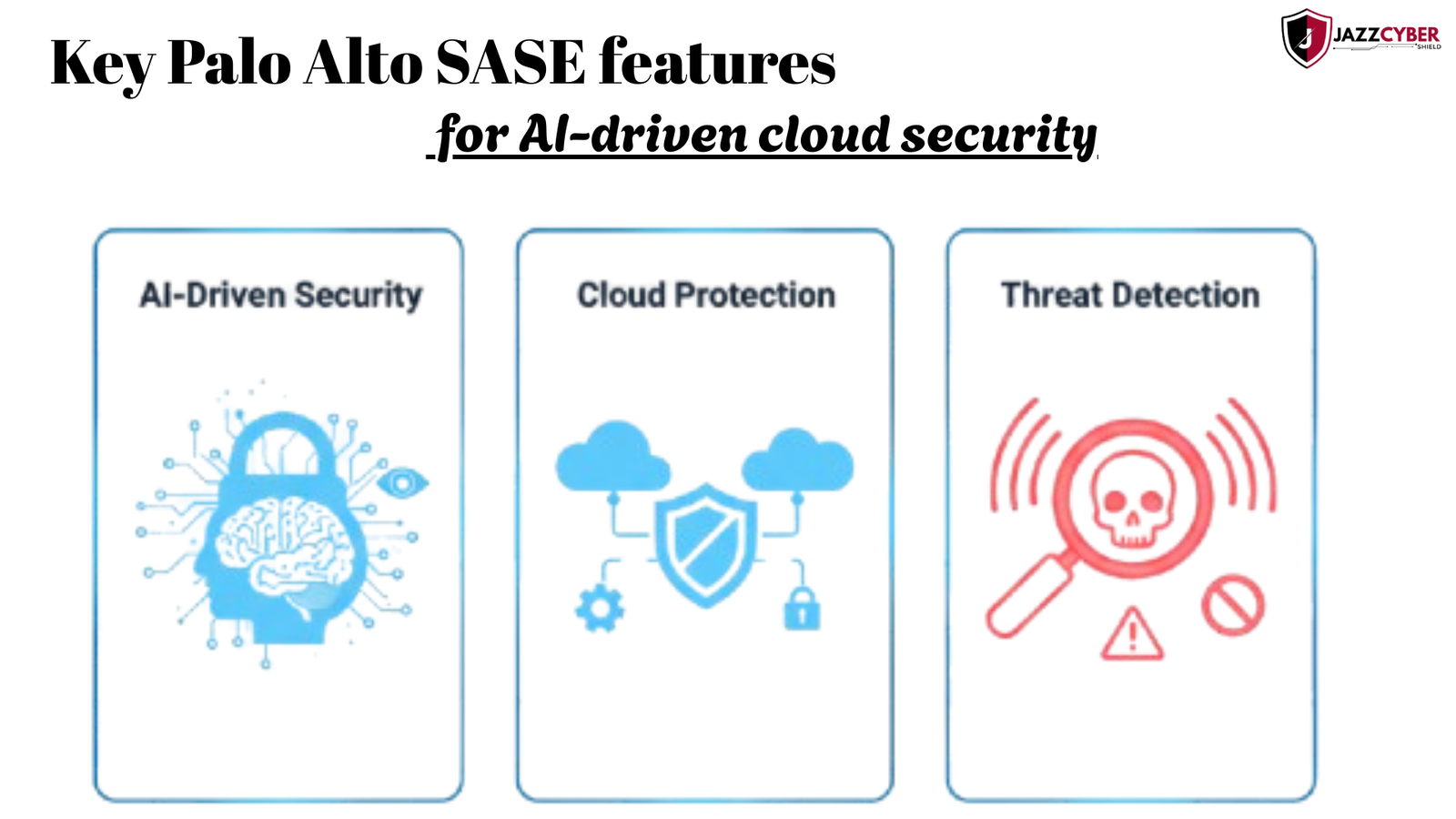
In 2026, cybersecurity challenge growing faster than ever. At same time, remote work, cloud adoption & hybrid networks becoming standard. Because of this shift, traditional perimeter security no longer work. Instead, organization need Secure Access Service Edge (SASE) solutions. Among all options, Palo Alto SASE stands out. It combines AI driven security, cloud protection & advanced threat detection into one unified platform.
What Is Palo Alto SASE
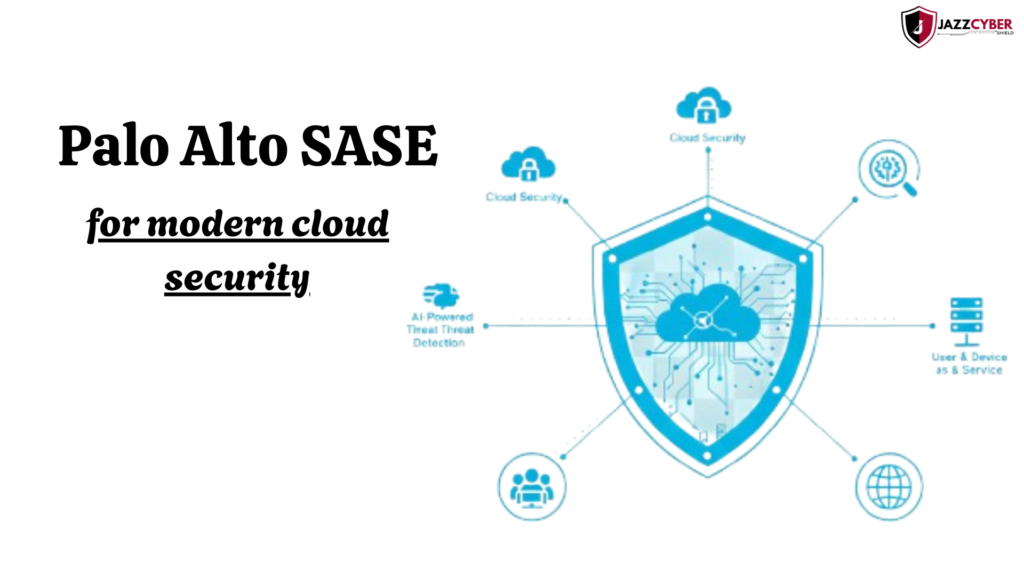
Palo Alto SASE is a cloud native security architecture. First, it merges networking & security into one service. Next, it delivers protection from the cloud instead of on-premise hardware. Then, it secures users, devices & applications anywhere.
Unlike legacy tools, Palo Alto SASE focuses on identity & context. Also, it applies security policies consistently. In the result, organization gain better visibility & control across distributed environments.
Why SASE Matter in 2026
In 2026, work happen everywhere. First, employee work remotely. Next, applications move to the cloud. Then, data flow across multiple environments. Because of this, attackers exploit gaps between tools.
SASE solve this problem by:
- Removing network complexity
- Reducing attack surfaces
- Enforcing zero trust access
Therefore, SASE is no longer optional. Instead, it essential for modern cybersecurity.
AI Driven Security at the Core
Artificial intelligence power Palo Alto SASE. First, AI analyze massive amount of data. Next, it detect unusual behavior. Then, it responds in real time.
AI improve security by:
- Identifying un-known threat
- Reducing false positive
- Automating responses
Moreover, machine learning improve detection accuracy. As a result, organization stay protected against evolving cyber threats without manual effort.
Advanced Threat Detection Capabilities
Threat detection a critical SASE feature. First, Palo Alto SASE inspect traffic at all layers. Next, it uses AI models trained on global threat intelligence. Then, it blocks attack before damage occurs.
Threats detected include:
- Malware & ransomware
- Phishing & credential theft
- Zero day exploits
- Command & control traffic
Because detection happens in the cloud, protection updates instantly across all user & locations.
Cloud Native Security Architecture
Palo Alto SASE uses a fully cloud native design. First, security services run in distributed cloud locations. Next, traffic route through nearest secure point. Then, users experience low latency.
Cloud native benefits include:
- Scalability on demand
- High availability
- Faster policy enforcement
Additionally, organizations avoid managing hardware. Therefore, IT team reduce operational complexity & costs.
Zero Trust Network Access
ZTNA is core part of Palo Alto SASE. First, it verifies user identity. Next, it checks device posture. Then, it grants least privilege access.
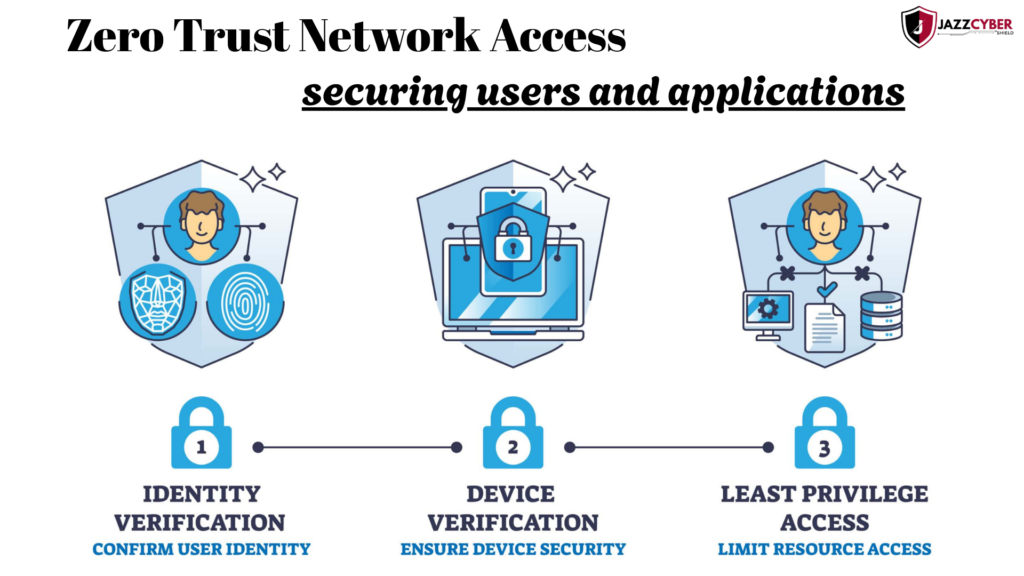
Unlike traditional VPNs:
- Users never access the full network
- Applications remain hidden
- Access adapts dynamically
As a result, attacker not move laterally, if credentials are compromised.
Secure Web Gateway (SWG)
The Secure Web Gateway protect user from web based threats. First, it inspect web traffic. Next, it blocks malicious sites. Then, it enforce acceptable use policies.
SWG capabilities include:
- URL filtering
- Malware prevention
- DNS security
- Inline threat inspection
Because users browse from many locations, cloud delivered SWG ensure consistent protection everywhere.
Cloud Access Security Broker (CASB)
CASB protects cloud applications. First, it monitors SaaS usage. Next, it detect risky behavior. Then, it enforce security policies.
CASB help organizations:
- Prevent data leaks
- Control shadow IT
- Secure sanctioned apps
- Enforce compliance
Therefore, business gain visibility into cloud risk while enabling productivity.
Firewall as a Service
FWaaS replace traditional firewalls. First, it inspect traffic in the cloud. Next, it applies next generation firewall rules. Then, it blocks threats in real time.
Key FWaaS feature include:
- Application aware policies
- Intrusion prevention
- Threat intelligence integration
Because it is cloud based, protection scale automatically as traffic grows.
Unified Policy Management
Managing multiple tools create gaps. Palo Alto SASE solve this. First, it centralize policy management. Next, it applies rules consistently. Then, it simplifies administration.
Benefits include:
- Fewer misconfigurations
- Faster policy updates
- Better compliance
As a result, security team operate more efficiently & confidently.
Performance & User Experience
Security should not slow users down. Palo Alto SASE focus on performance. First, traffic routes intelligently. Next, AI optimize paths. Then, latency stays low.
Users experience:
- Faster application access
- Reliable connections
- Seamless security
Therefore, productivity improve while security remains strong.
Visibility & Analytics
Visibility is critical for modern security. First, Palo Alto SASE provide real time dashboards. Next, it shows user behavior. Then, it highlights risks.
Analytics features include:
- Traffic insights
- Threat trends
- Policy effectiveness
With better visibility, organizations make informe security decisions.
Compliance & Data Protection
Compliance requirements continue to expand. First, Palo Alto SASE supports data protection policies. Next, it enforce encryption & access controls. Then, it help meet regulatory standards.
Supported goals include:
- Data loss prevention
- Privacy protection
- Regulatory compliance
Thus, organizations protect sensitive data while meeting legal obligations.
Jazz Cyber Shield
Jazz Cyber Shield closely tracks platforms like Palo Alto SASE because they represent the future of enterprise security. As organizations adopt AI driven, cloud based security models, Jazz Cyber Shield help businesses understand risks, strengthen security posture, & align SASE strategies with modern threat landscapes. By focusing on proactive defense & intelligent security frameworks, Jazz Cyber Shield supports safer digital transformation.
Who Should Use Palo Alto SASE
Palo Alto SASE fit many organizations. First, it supports remote & hybrid work. Next, it secures cloud first businesses. Then, it scales for global enterprises.
Ideal users include:
- Large enterprises
- Cloud native companies
- Distributed workforces
- Security focused organizations
Because threats affect all industries, SASE adoption continues to rise.
Challenges to Consider
No solution is perfect. First, SASE adoption requires planning. Next, policy design takes effort. Then, team need training.
Common challenges include:
- Migration complexity
- Change management
- Skill gaps
However, long term benefits outweigh short term challenges.
Future of Palo Alto SASE
The future of SASE looks strong. First, AI models will improve. Next, automation will increase. Then, security will become more predictive.
Expected trends include:
- Deeper AI integration
- Better threat prediction
- Stronger zero trust enforcement
Therefore, Palo Alto SASE will continue evolving with modern threats.
Conclusion
Palo Alto SASE deliver powerful security for today’s cloud driven world. First, it combine AI-driven security with cloud protection. Next, it detects threats in real time. Then, it simplifies security management.
In 2026, organizations need unified, intelligent security platforms. Palo Alto SASE meet that need by protecting user, data & application everywhere. As cyber threats evolve, SASE stand as critical foundation for secure digital operations.


Great breakdown of the challenges and solutions driving cybersecurity forward! I think the real game-changer here is how AI enhances threat detection and response times. For businesses adopting hybrid models, integrating SASE seems like the most efficient way to protect remote and cloud infrastructure.
I started writing down one thing at the end of every day — what I actually managed to do. Not a to-do list, not plans. Just one small win. It’s surprising how quickly it shifts your perspective.
Moving away from traditional perimeter security is clearly the right move for hybrid setups, but the challenge often lies in maintaining performance while scaling AI-driven detection. I’d be interested to know your thoughts on what you believe is the biggest hurdle infrastructure teams face when transitioning to a full Zero Trust architecture.
XEvil 5.0 automatically solve most kind of captchas,
Including such type of captchas: ReCaptcha-2, ReCaptcha-3, Google, SolveMedia, BitcoinFaucet, Steam, +12000
+ hCaptcha, FC, ReCaptcha Enterprize now supported in new XEvil 6.0!
+ CloudFlare TurnsTile, GeeTest captcha now supported in new XEvil 7.0!
+ XEvil 7.0 was released! ReCaptcha v2 solving speed increased x2!
+ XEvil can solve captchas from OpenClaw AI bot!
1.) Fast, easy, precisionly
XEvil is the fastest captcha killer in the world. Its has no solving limits, no threads number limits
2.) Several APIs support
XEvil supports more than 6 different, worldwide known API: 2captcha, anti-captcha (antigate), RuCaptcha, DeathByCaptcha, etc.
just send your captcha via HTTP request, as you can send into any of that service – and XEvil will solve your captcha!
So, XEvil is compatible with hundreds of applications for SEO/SMM/password recovery/parsing/posting/clicking/cryptocurrency/etc.
3.) Useful support and manuals
After purchase, you got access to a private tech.support forum, Wiki, Skype/Telegram online support
Developers will train XEvil to your type of captcha for FREE and very fast – just send them examples
4.) How to get free trial use of XEvil full version?
– Try to search in Google “Home of XEvil”
– you will find IPs with opened port 80 of XEvil users (click on any IP to ensure)
– try to send your captcha via 2captcha API ino one of that IPs
– if you got BAD KEY error, just tru another IP
– enjoy! 🙂
– (its not work for hCaptcha!)
WARNING: Free XEvil DEMO does NOT support ReCaptcha, hCaptcha and most other types of captcha!