



Programming paradigm evolve rapidly. However, OOP still play a key role in software engineering. First, OOP emphasize organizing code around object, making application modular & easier to maintain. Second, it shaped the development of major language like Java, C++ and Python. Finally, evaluating OOP’s relevance today help developer decide whether learning it is still a valuable investment.
Object Oriented Programming (OOP)
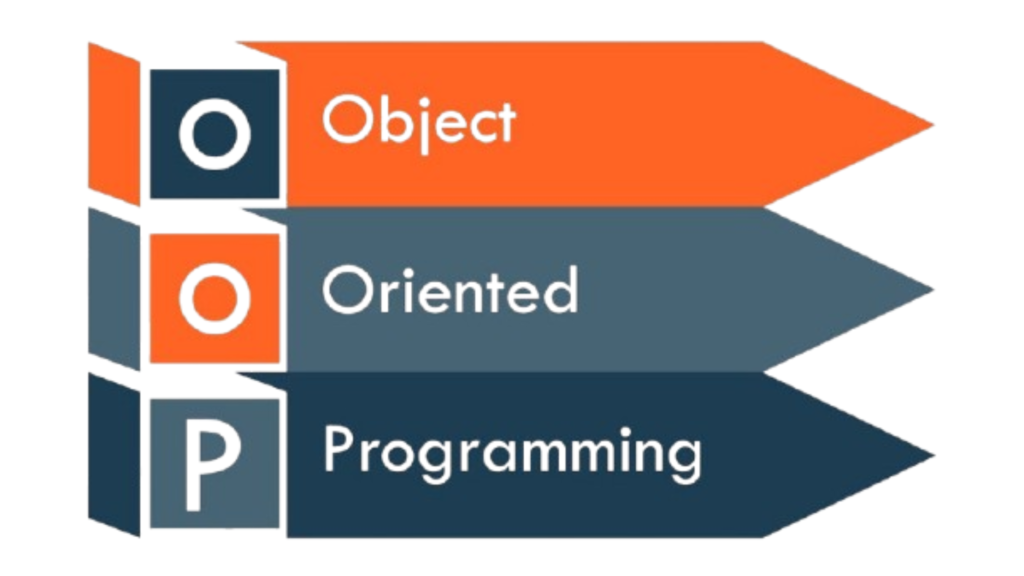
Object Oriented Programming is paradigm that structure software around object rather than action.
Its core principle includes:
- Abstract: Bundling data & method in single object.
- Inheritance: Create new classes based on existing one.
- Polymorphism: Allowing objects to take many form.
- Abstraction: Hiding complex detail & exposing only necessary part.
Popular OOP language include Java, C++, Python and C#, which remain dominant in enterprise & application development. OOP became widely adopted because it promote code reusability, modularity & maintainability. These advantage explain why so many developer still depend on OOP despite the rise of alternative paradigm.
The Current State of OOP
Today, OOP continue to dominate enterprise software. Studies show that 70–80% of large scale software projects still use OOP principles. Enterprises prefer OOP for its structured code, which make maintenance easier, while startup often mix OOP with other paradigm for flexibility.
OOP’s strength includes:
- Reusability: Code be reused across multiple projects.
- Modularity: Breaking application into object reduce complexity.
- Maintainability: Update & bug fixes are easier with modular structure.
However, OOP has limitation. It verbose, with a steep learning curve for beginner. Moreover, large scale inheritance hierarchies create tightly coupled code, making some projects harder to maintain. Nonetheless, OOP remain widely taught & use because its benefit outweigh its challenge in scenario.
Challenges & Criticisms
OOP is not without its critics. Functional programming (FP) gained popularity because it emphasize immutability and stateless function, which reduce bug & improve concurrency. In contrast, OOP introduce tight coupling in large project, where changes in one class affect many others.
Moreover, performance is sometime a concern. In high performance application like game engines or real time systems, OOP’s abstraction layers slightly reduce efficiency. Despite these challenges, OOP remain relevant because it simplifies complex software, especially in large team & enterprise environment. Developers combine OOP with functional techniques to balance maintainability and performance.
OOP in Modern Development
Even in modern development, OOP plays a crucial role. For example, in microservices architecture, OOP help organize code into modular component. In cloud native applications, OOP principles facilitate scalable design. Additionally, OOP is used extensively in mobile apps, backend systems, AI/ML projects & web frameworks.
OOP excels in workflow pattern where modularity & reusability are essential. Many popular framework, such as Spring for Java or Django for Python, depend on OOP principles to simplify development. In other words, even as new paradigm emerge, OOP continue to influence the design of modern software.
Alternatives to OOP
Some developer turn to alternatives or complementary paradigms.
- Functional Programming (FP): Offer immutability & stateless design. FP languages include Haskell and Scala.
- Procedural Programming: Focus on function & sequential execution, useful for small script or embedded system.
- Hybrid Paradigm: Multi paradigm language like Python, JavaScript & Kotlin allow combining OOP & FP for flexibility.
These alternative highlight that while OOP is not only approach, it remain relevant in projects requiring structure, maintainability & collaboration.
The Future of OOP
Looking ahead, OOP is likely to remain relevant for next decade. Trend indicates:
- Developer will adopt hybrid paradigms, blending OOP & FP.
- OOP continue to be used in enterprise system, cloud applications & large scale software project.
- Learning OOP remain essential for beginner because it provide a foundation for understanding programming concept & design pattern.
While some new languages emphasize functional or reactive programming, OOP’s modularity & abstraction principles will remain valuable in both education & industry.
Who Should Learn OOP Today
Beginners: Learning OOP provide foundational programming knowledge, object design understanding and prepare you for enterprise level development.
Professionals: Those maintaining legacy system or working in enterprise environment will continue to depend on OOP.
Developers exploring modern paradigms: OOP knowledge complement functional programming, scripting & multi-paradigm languages. Understanding OOP allow developers to adapt & integrate different paradigms efficiently.
Conclusion
In conclusion, OOP remain relevant in 2026 & beyond. Its advantage include modularity, reusability & maintainability, which continue to serve enterprise and large scale projects well. While functional & procedural programming offer alternative, OOP’s core principles remain foundational for any software developer.
Developers understand multiple paradigms, but OOP remain a crucial skill for both career growth & modern software development. Learning OOP today ensure you handle enterprise systems, collaborate effectively in team & maintain legacy projects while adopting new paradigms.
FAQs
1. Is OOP still worth for learning in 2026?
Yes, OOP remain highly relevant for enterprise application, large codebases and modular software design.
2. What programming paradigms replace OOP?
No single paradigm will replace OOP entirely. Functional programming complement OOP in modern development.
3. Which OOP languages still most in demand?
Java, C++, Python & C# remain most in demand OOP language in enterprise & web development.
4. Can mix OOP with functional programming effectively?
Yes, hybrid approach are common in Python, JavaScript & Kotlin, combining OOP structure with functional efficiency.
5. Why do large enterprise still depend on OOP?
OOP’s modularity, maintainability & reusability make it ideal for long term enterprise projects and team collaboration.


Really thought-provoking read. OOP may be evolving, but it still forms the backbone of so many modern software systems. The article nicely balanced the traditional strengths with the growing appeal of functional programming.
I really enjoyed your balanced take on OOP’s future. You clearly showed how it still holds strong in modern development, especially with large-scale enterprise applications. The real-world examples made it even more convincing.