




Choosing right mesh Wi-Fi system can confusing, especially comparing two popular brands like Ubiquiti and Netgear. Both deliver excellent connectivity, but feed to different requirements. Whether you’re a home user wanting flawless content or a business professional demanding enterprise-grade networking, understanding their strengths and sins will help you make the right decision.
In this companion, we’ll break down the crucial differences, pros, and cons of Ubiquiti and Netgear mesh Wi- Fi results, so you can confidently decide which bone fits your conditions.
What Is Mesh Wi-Fi and Why Does It Matter?
A Mesh Wi-Fi system uses multiple access points (nodes) to give harmonious internet content throughout your home or office. rather of counting on a single router, mesh networks insure
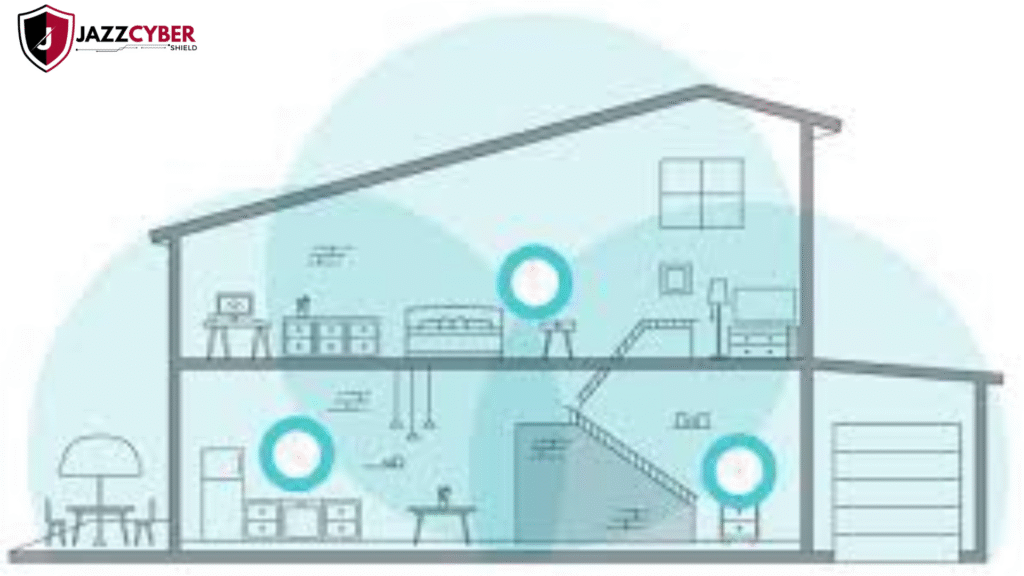
- Elimination of dead zones
- Stronger, more stable connections
- Scalability for larger spaces
This makes choosing right system essential for smooth browsing, streaming, & business operations.
Ubiquiti Mesh Wi-Fi Pros & Cons
Pros of Ubiquiti:
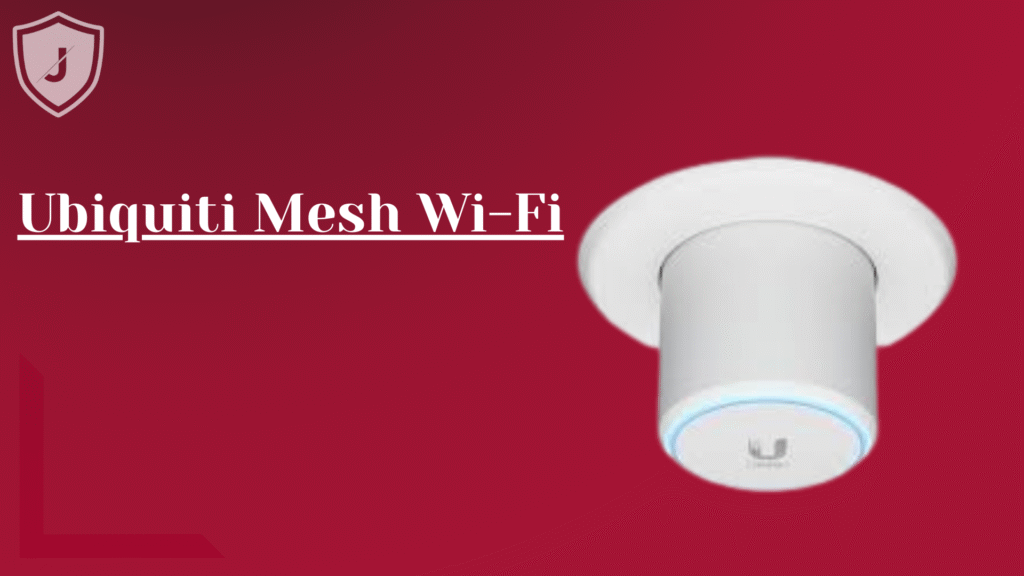
Enterprise-grade performance – Designed for businesses and power users.
Scalability – Easy to expand with additional access points.
Advanced operation tools – Centralized control via UniFi Controller.
High trustability – Strong performance for multiple users and heavy business.
Cons of Ubiquiti:
- Steeper literacy wind – Setup and operation may be complex for newcomers.
- Advanced cost – More precious than consumer-concentrated results.
- Overkill for small homes – Features may be gratuitous for casual users.
Netgear Mesh Wi-Fi Pros & Cons
Pros of Netgear
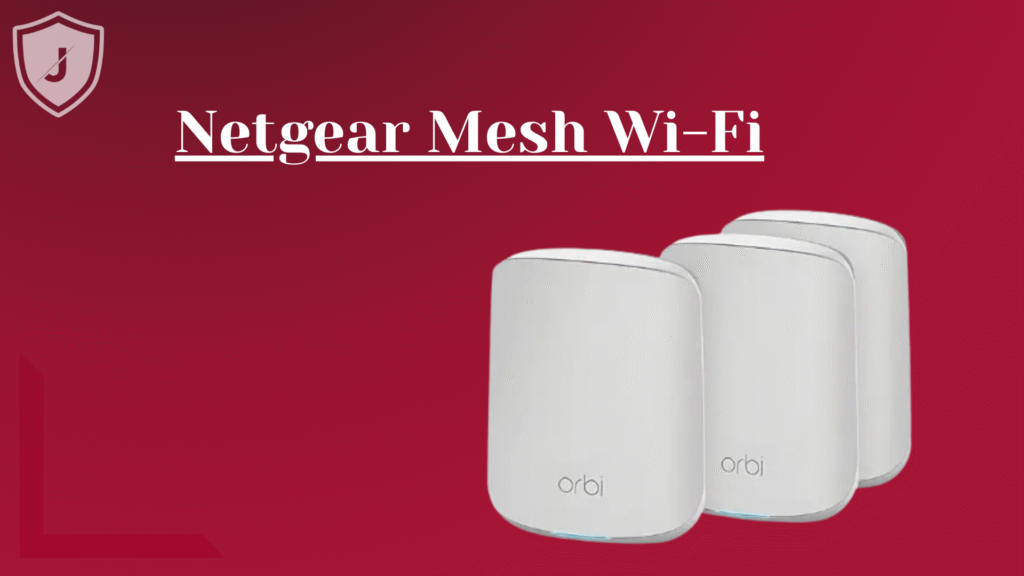
- User-friendly setup – Perfect homeowners with little specialized knowledge.
- Affordable options – Wide range pricing fit most budgets.
- Smart features – Maternal controls, mobile app operation, and voice adjunct solidarity.
- Strong performance for home use – Excellent for streaming, gaming, and everyday internet.
Cons of Netgear:
- Limited Scalability – Not ideal for large services or enterprise surroundings.
- Lower control for professionals – Smaller advanced customization options.
- Performance drops with too numerous bumps – workshop best in medium-sized homes.
Ubiquiti vs Netgear: Head-to-Head Comparison
| Feature | Ubiquiti | Netgear |
| Target Audience | Businesses, tech-savvy users | Homeowners, casual users |
| Ease of Use | Moderate to complex | Very easy, beginner-friendly |
| Scalability | Highly scalable | Limited scalability |
| Price Range | Premium | Budget to mid-range |
| Performance | Enterprise-grade, stable traffic | Excellent for home streaming |
| Management | Advanced UniFi Controller | Simple mobile app |
How can Decide Which Mesh Wi-Fi Your Needs?
- Choose Ubiquiti if: you run a small business, need enterprise-position trustability, or have a large property with heavy internet operation.
- Choose Netgear if: you want a draw-and-play system for your home, prefer easy setup, and don’t need advanced features.
Eventually, the decision depends on your network size, budget, and specialized comfort position.
Why Choose Jazz Cyber Shield for Your Mesh Wi-Fi requirements?

At Jazz Cyber Shield, we don’t just give products we give results. Whether you’re looking for a Ubiquiti enterprise setup or a Netgear mesh system for your home, our experts guide you to the best option grounded on your requirements. We insure:
- Acclimatized Recommendations for your space and operation.
- Top-quality products from trust brands.
- Professional support setup, optimization, & troubleshooting.
With Jazz Cyber Shield, get peace of mind, performance, & protection one package.
Conclusion
Both Ubiquiti & Netgear offer excellent mesh Wi-Fi results, but they serve different audiences. Ubiquiti in enterprise-grade scalability, while Netgear excels in ease of use home users. By importing pros, cons, and crucial differences, you confidently pick right system for your requirements.
And when you’re ready to upgrade, Jazz Cyber Shield is then to help you every step of the way.


Great breakdown of the differences between UBlog comment creation guidebiquiti and Netgear. One thing I’ve noticed is that Ubiquiti tends to appeal more to users who want deeper customization and scalability, while Netgear feels more plug-and-play for everyday households. It’s interesting how the choice really depends on whether someone prioritizes ease of use or long-term network control.
Great breakdown of Ubiquiti vs. Netgear—it really highlights how the choice depends on whether someone prioritizes ease of use or enterprise-level control. One thing I’d add is that ongoing support and firmware updates can make a huge difference over time, especially for security and performance. It might be worth considering how each brand handles long-term updates when making a decision.
Great breakdown of how Ubiquiti and Netgear serve different needs. One thing I’ve noticed is that Ubiquiti’s ecosystem can be a bit of a learning curve for non-technical users, while Netgear tends to be more plug-and-play. It really comes down to whether you value ease of setup or long-term scalability and control.
Great breakdown of the differences between Ubiquiti and Netgear. One angle that often gets overlooked is long-term scalability—Ubiquiti tends to make more sense if you’re planning to expand your network in stages, while Netgear is easier for quick setup without much ongoing management. It might also be helpful to consider how each handles firmware updates since that can impact stability over time.
Great breakdown of the differencesBlog comment creation guide between Ubiquiti and Netgear mesh setups. One thing I’ve noticed is that while Ubiquiti tends to appeal to people who want more control and scalability, the learning curve can be intimidating if you’re not used to managing networks. On the flip side, Netgear often wins with simplicity, but you give up some flexibility that power users might miss.
This is a helpful guide for anyone in the market for a mesh Wi-Fi system. It’s easy to get lost in specs, but prioritizing your network’s purpose (home vs. business) simplifies the decision.
Great breakdownBlog comment creation of Ubiquiti vs. Netgear mesh systems. One thing I’ve noticed is that Ubiquiti often appeals more to people who want granular control and scalability, while Netgear tends to prioritize ease of setup for everyday users. It might be helpful for readers to also consider how comfortable they are with ongoing maintenance, since that can make a big difference in the long run.