





It has been a hot topic among tech enthusiasts. In 2025, with the launch of Intel’s highest-end processors like the Intel Core i9-14900K, it is an interesting proposition of the era: overclocking, worth anything anymore? The blog post discusses the value, perils, and benefits of overclocking the fastest Intel processors in real life.
Benefits of Overclocking
Overclocking is the next step from increasing the clock speed to reducing the clock speed factory-my-cut limits. It increases the general clock speed and hence boosts up the performance in playing games, video editing, and rendering the output in 3D. Enthusiasts love to max extra performance, especially using premium cooling systems to enjoy temperatures of as low as 0 degrees Celsius.
Besides, overclocking again was made easy by Intel’s unlocked processors such as i9-14900K, enabling easy overclocking through the BIOS or Intel XTU. Accordingly, most users like to try it just to gain additional performance boost during gaming or productivity. But that doesn’t mean it would be something for all.
Gaining the Benefits of Overclocking Intel’s Fastest Processor
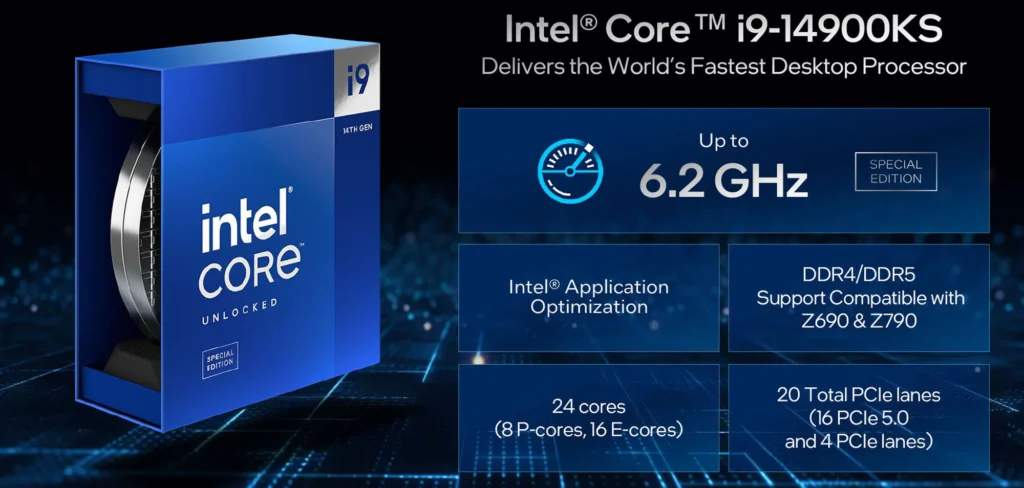
Thus, the Intel Core i9-14900K processors come with a standard blazing speed, but the real fun begins when overclocking is introduced. Gamers can derive a few extra FPS in most of the CPU-intensive titles, whilst creative personnel can also gain faster rendering times when using Adobe Premiere or Blender.
And as DDR5 RAM becomes available on Z790 motherboards, performance scaling becomes easily achieved. Every second saved matters for competitive users or content creators, and turning it on is going to be pretty enticing.
It Is Also Not Without Its Downside
Overclocking also heats up your system work than it would require to function normally. It also consumes power that is a little more than normal. Even AIO liquid coolers can still have thermal throttling at times. It can also lead to your poorly configured overclock being permanently damaging the hardware.
In addition, overclocking frequently voids the guarantee on the processor. Although Intel has a Performance Tuning Protection Plan, it is no longer available in certain regions. Thus, users need to be careful.
Performance Gains: Spot the Difference?
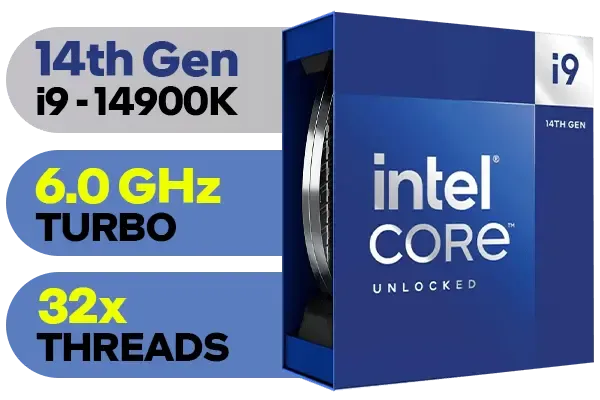
Benchmark scores reveal that overclocking the i9-14900K could probably yield about 3-10% performance enhancement depending on workload types. In fact, it amounts to about nothing in real-world gaming situations. Most of the games are GPU-bound already, and additional gains over the CPU are highly difficult to evaluate.
And even productivity programs, they are slightly improved. But perhaps not worth all that heat and noise for casual users. Therefore, for the average user, this would not be a significant difference.
But is it even worth it in 2025?
Yes, if you’re a hardcore gamer, overclocker, or content creator with a very advanced understanding of the hardware under your hood. If you’re an average user, though, and you happen to be one who prefers stability over raw speed, then Intel’s high-end CPUs are already fast enough without needing to be supercharged.
Plus, nowadays, most modern CPUs automatically adjust performance very smartly, thanks to features such as Intel Turbo Boost Max Technology 3.0. So, manual overclocking is becoming less and less common.


