



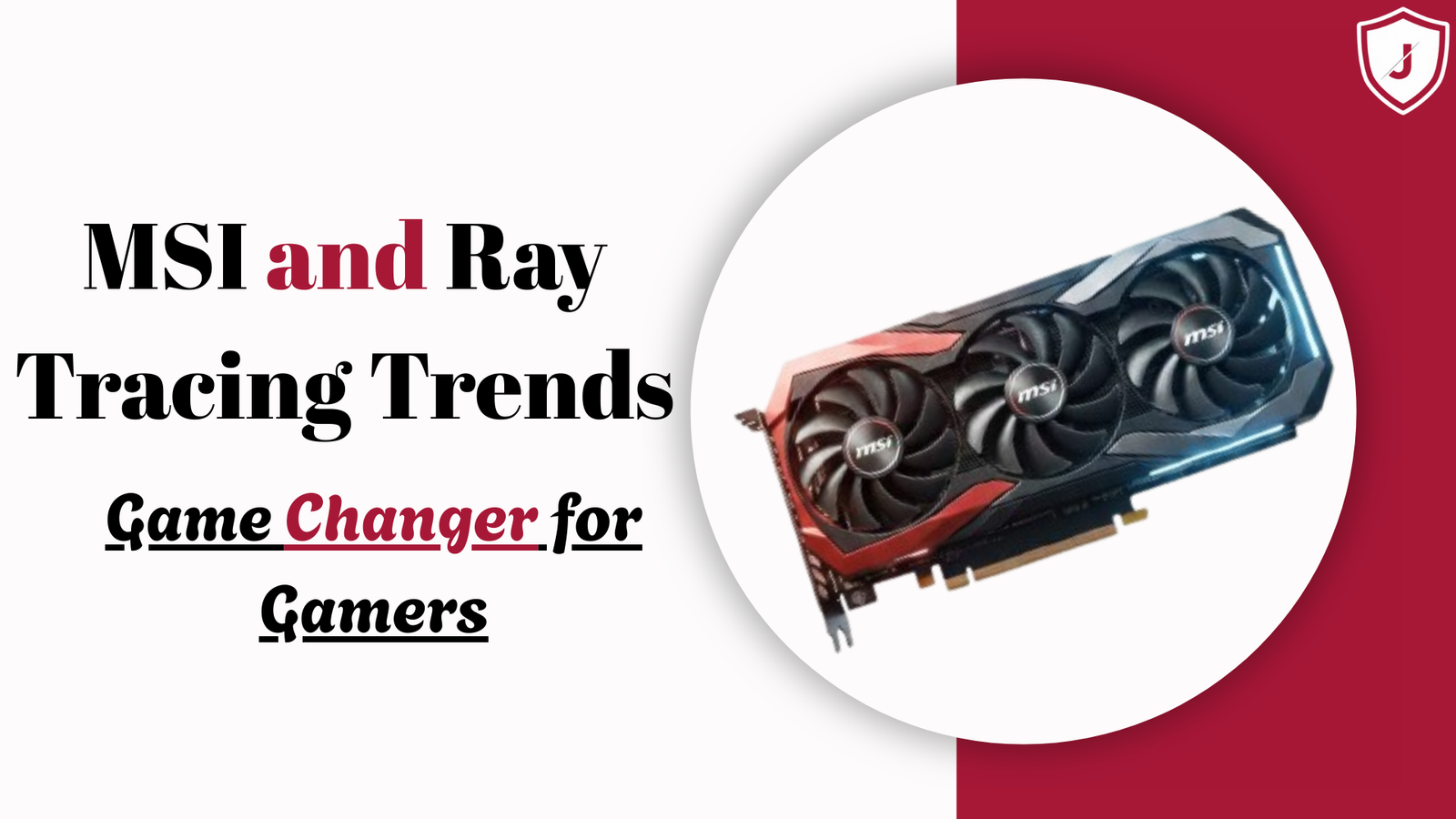
Ray tracing changed the way games look & MSI helped push this tech forward. However, performance demands increased & gamers started to balance visuals with frame rates. Moreover, AI upscaling grew stronger & new GPUs made ray tracing easier to use. Therefore, this article explain if ray tracing is still a true game-changer in 2025.
What’s New in 2025
MSI launched new GPUs built on latest Nvidia & AMD architectures. Moreover, these cards offer improved cooling, higher boost clocks & more stable ray tracing performance. Additionally, new AI features like DLSS 4 & updated FSR versions help smooth gameplay even at high resolutions. As a result, gamers enjoy better lighting, sharper shadows & faster frame generation.
How Ray Tracing Improved
Modern GPUs now use upgraded RT cores & AI processors. First, these cores speed up light calculations. Next, advanced up scalers rebuild frames with more accuracy. Furthermore, smarter algorithms reduce noise & improve reflections. Therefore, ray tracing feels more natural & runs smoother on mid-range & high-end MSI cards.
MSI’s Role in Better Ray Tracing
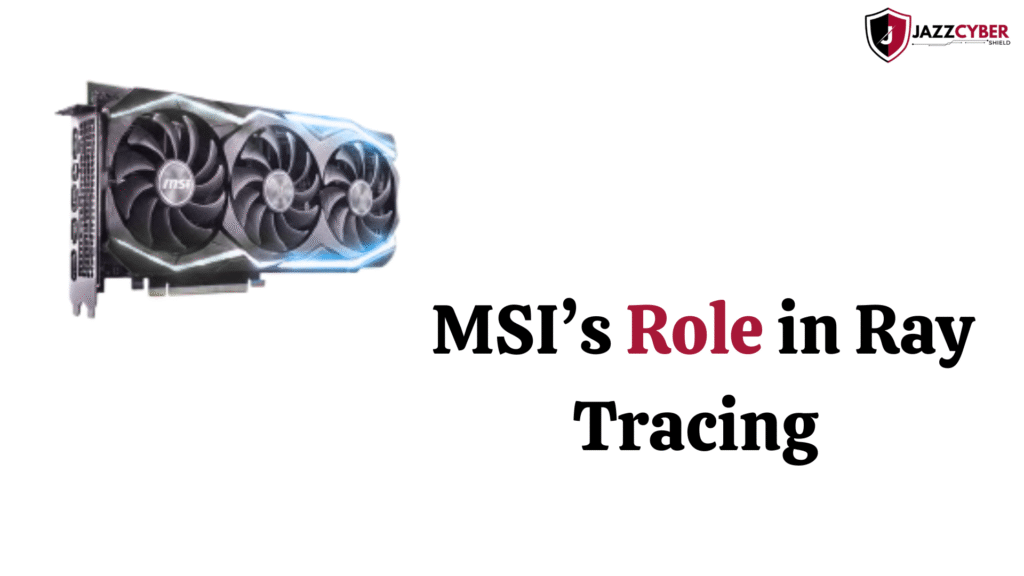
MSI focuses on strong cooling and stable power delivery. Moreover, its Gaming X, Ventus & Suprim models push higher performance without overheating. Additionally, MSI’s larger heatsinks, triple-fan systems & custom BIOS modes help maintain smooth ray-traced scenes. Consequently, gamer enjoy higher FPS with heavy lighting effects enabled.
Ray Tracing vs. FPS: What Gamers Should Know
Ray tracing create realistic lighting & gives games a more cinematic look. However, it still reduce performance older GPUs. Meanwhile, DLSS, FSR & XeSS increase FPS & balance visual quality. Therefore, ray tracing great for 1440p & 4K gamers, but competitive 1080p player prefer higher raw FPS. Moreover, mixing medium ray tracing with AI scaling often gives best visual-to-FPS ratio.
Buying Tips for Gamers
First, decide your target resolution & refresh rate. Next, choose an MSI GPU that matches needs. Additionally, check if your favorite game support DLSS, FSR or other up scalers. Moreover, look for models with strong cooling to keep ray tracing stable. As a result, you get cleaner visuals, better frames & longer GPU life.
Suggested GPU Setups
- Best for 1080p: MSI mid range cards, ray tracing on low or off, AI upscaling on.
- Best for 1440p: MSI upper mid range GPUs, ray tracing on medium, DLSS/FSR enabled.
- Best for 4K: MSI high end GPUs, ray tracing on high, frame generation active.
Final Verdict
Ray tracing remains a game-changer, but it shines brightest with right GPU & upscaling tools. Moreover, MSI’s latest cards support this tech better than ever. Additionally, AI improvements make ray tracing smooth & accessible. Therefore, for gamers who want realistic lighting clear details, ray tracing still matter in 2025. For personalized build advice and tech insights, Jazz Cyber Shield is here to help.


I like how this frames ray tracing as a maturing feature rather than a simple on/off wow factor. The point about players balancing visuals with frame rates really resonates—selective ray tracing paired with smarter upscaling feels like the sweet spot in 2025. It’ll be interesting to see how much impact comes from better game-side optimization versus raw hardware gains going forward.