



Cyber threats are part of the environment where businesses thrive today, which creates the urgent necessity of configuring a cyber firewall. An improperly configured firewall increases the chances of sensitive data leakage, heightens the vulnerabilities of the system, and surfaces the network under increased cyberattacks. A well-structured approach usually promises the best possible protection and compliance.
Why Firewall Configuration is Important
Firewalls are the first line of defense against unauthorized access to the network, blocking incoming traffic and providing malware protection while enforcing corporate security policy. Thus, firewall management needs to be regarded as really important for the organization. Regular update and audits will further strengthen the Defence against threats that are increasingly evolving.
Step 1: Choice of Right Firewall Type
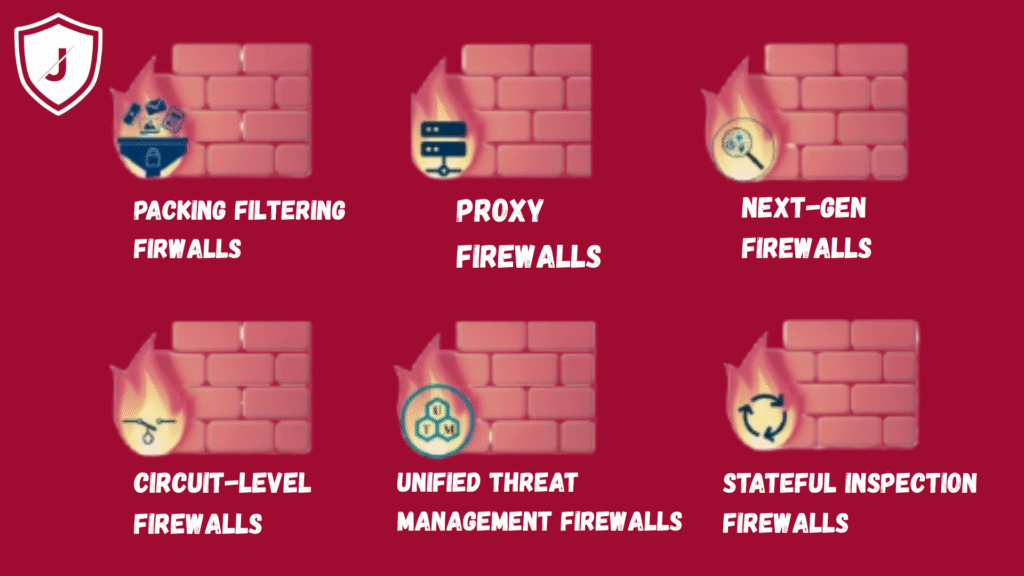
First and foremost, identify your business needs. A small office would simply need a software firewall, whereas an enterprise would lean towards hardware or next-generation firewalls (NGFWs). If you are using SAAS or operate in hybrid environments, you may wish to use cloud firewalls. An inappropriate firewall would compromise your network security-in contrast to the above.
Step 2: Define Security Policies
The next step is to formulate specific firewall policies. These determine what traffic is allowed or denied, what ports are opened, and what applications are examined. Also, to ease management, group your users, devices, and subnets. Thus, the clear policy context minimizes misconfigurations and helps strengthen security.
Step 3: Configure Access Rules
Now the access control regulations are being implemented. Block unnecessary inbound traffic and limit outbound connectivity. Allow trusted IPs and secure ports, in the same breath. Also, segment your network to isolate sensitive systems. This will limit exposure if a breach occurs.
Step 4: Enable Advanced Security Features
The newer generation of firewalls has a lineup of enhanced protections. Set up intrusion detection/prevention systems (IDS/IPS), VPN configurations, and filter for malware. Additionally, you need logging and alerting set up to notify of any suspicious activity. These protection features will give you maximized security with a minimized response time.
Step 5: Testing and monitoring of the firewall settings

It’s finally time to test the firewall configuration. Run penetration testing tools for gap analysis and rule validation. Also, keep an eye on the logs for any unusual patterns. In conclusion, it is a continuous process of maintaining the firewall for it to be able to counter new threats while keeping the business secure.
Best Practices for Maximum Security
- Keep firewall firmware up to date.
- Review policies every month and make changes as needed.
- Block default accounts and unnecessary services.
- Apply strong authentication and multi-factor verification.
- Document configuration modifications for compliance audits.
Conclusion
A properly configured firewall is one of the keys to success for any company. The following steps secure that you create a more secure network and are able to resist cyber-attacks while adhering to compliance. Moreover, it is through constant monitoring and updates that your system is protected against emerging threats. Do not wait—secure your network now!


Your blog on configuring a firewall for maximum security was fantastic! The step-by-step guide made complex settings easy to understand. I was able to secure our business network confidently. Very informative, clear, and practical—I’m fully satisfied with the content!