



The internet in 2026 move faster than ever before. Therefore, user expect instant loading, real time responses & smooth digital experiences. Moreover, businesses demand speed, reliability & performance at scale. As a result, traditional cloud computing alone cannot meet modern internet demands. Edge computing become the hidden force behind lightning fast internet, improved connectivity & ultra low latency across networks.
What is Edge Computing?
Edge computing processes data close to where it generated. Instead of sending data to distant cloud server, systems analyze it locally. Therefore, data travel a shorter distance & responds faster. Moreover, edge computing reduce pressure on central networks. As a result, applications perform better & feel instant.
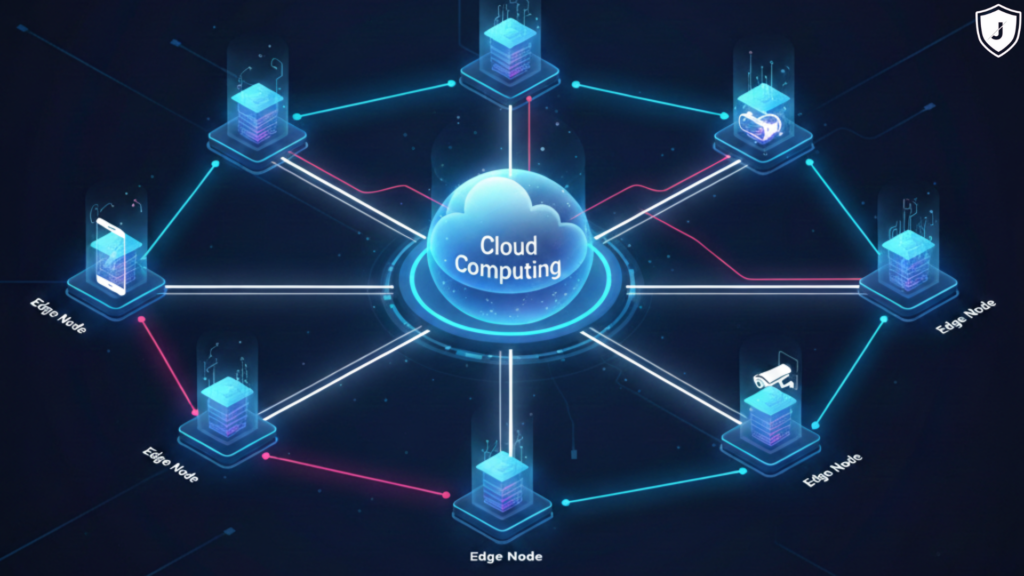
Edge computing commonly operates through:
- Local edge servers
- Smart devices & sensors
- Network gateways
- On site data processing units
Because of this structure, edge computing support real time internet performance in 2026.
Why Edge Computing Matter More in 2026
Internet usage continue to grow rapidly. Therefore, centralized system struggle with overload & delays. Moreover, billions of connected devices generate massive data every second. As a result, edge computing become essential for handling modern traffic.
Key reasons edge computing is critical:
- Explosive growth of IoT devices
- High demand for real time applications
- Increased data consumption
- Need for faster decision making
Consequently, edge computing support future of high speed internet.
How Edge Computing Deliver Lightning Fast Internet
Edge computing improve internet speed by reducing data travel distance. Therefore, response happen almost instantly. Moreover, processing at edge eliminate unnecessary network hops. As a result, websites, apps & services load faster.
Edge computing improves speed by:
- Processing data locally
- Reducing round trip delays
- Minimizing network congestion
- Delivering faster content response
In 2026, this architecture define high performance internet experiences.
Low Latency: The Core Advantage
Latency directly affect user experience. Therefore, low latency is critical for modern internet services. Moreover, edge computing cut latency from hundreds of milliseconds to near real time. As a result, user experience smoother & faster interactions.
Low latency is essential for:
- Online gaming
- Video conferencing
- Cloud applications
- Financial transactions
- Real time analytics
Thus, edge computing become backbone of lightning fast internet.
Edge Computing & 5G Networks
Edge computing & 5G works together seamlessly. Therefore, high bandwidth & ultra low latency become achievable. Moreover, 5G delivers faster data transfer, while edge computing processes it locally. In the result, performance improve dramatically.
Benefits of edge & 5G integration:
- Real time data processing
- Faster mobile internet
- Better streaming quality
- Enhanced AR & VR experiences
In 2026, this combination transform digital connectivity.
Internet Stability & Reliability
Speed without stability create frustration. Therefore, reliability matter as much as performance. Moreover, edge computing reduce dependence on centralized cloud servers. In the result, services remain available even during network disruptions.
Edge computing improve stability by:
- Allowing local data processing
- Reducing single points of failure
- Supporting offline functionality
- Improving uptime for critical system
Consequently, user enjoy consistent internet performance.
Edge Computing & Artificial Intelligence
Artificial intelligence depend on fast data processing. Therefore, running AI at edge improve accuracy & speed. Moreover, edge AI eliminate delays caused by cloud communication. In the result, systems react instantly.
Edge AI supports:
- Smart surveillance
- Predictive maintenance
- Real time personalization
- Automated decision making
In 2026, AI & edge computing redefine intelligent internet services.
Security & Data Privacy Advantages
Data security remain a top concern. Therefore, edge computing improve protection by keeping data closer to its source. Moreover, local processing reduce exposure to cyber threats. In the result, organization gain better control over sensitive information.
Security benefits include:
- Reduced data transmission risks
- Improved privacy compliance
- Faster threat detection
- Localized security controls
Thus, edge computing strengthens internet trust.
Edge Computing for IoT & Smart Devices
IoT ecosystem continue to expand. Therefore, managing device data becomes complex. Moreover, edge computing processes IoT data instantly at the source. In the result, devices operate efficiently without delays.
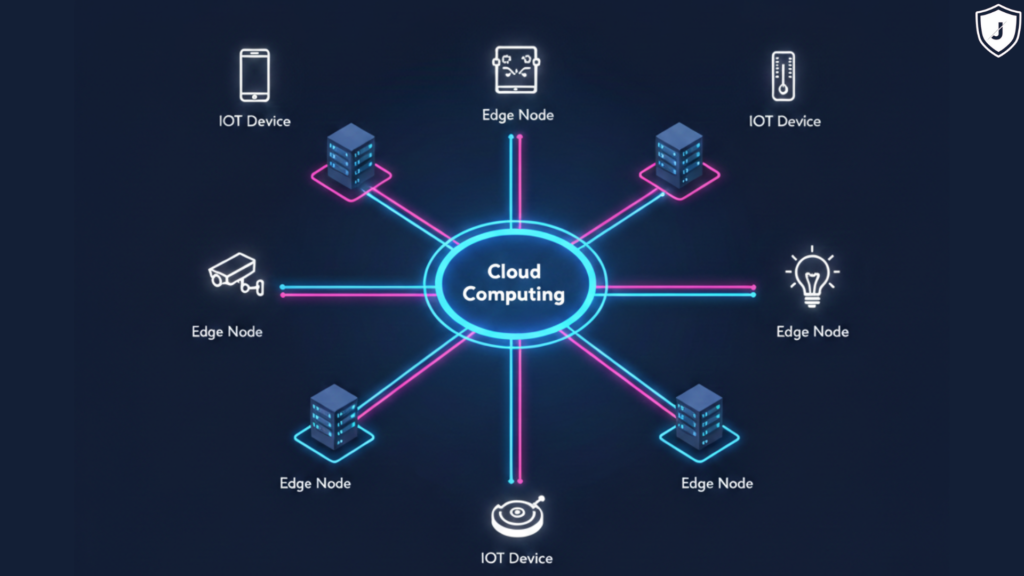
Edge computing benefits IoT by:
- Handling data locally
- Reducing cloud dependency
- Improving device response time
- Supporting large scale deployments
In 2026, smart devices depend heavily on edge computing.
Real World Applications of Edge Computing
Edge computing power multiple industries. Therefore, its impact continues to grow. Moreover, local processing improve speed & accuracy. As a result, many sectors depend on edge technology.
Common use cases include:
- Smart cities & traffic systems
- Healthcare monitoring
- Industrial automation
- Video streaming platforms
- Augmented & virtual reality
Each use case demands real time internet performance.
Business Benefits of Edge Computing
Businesses seek speed & efficiency. Therefore, edge computing offer strong competitive advantages. Moreover, it reduce bandwidth costs & improve customer experience. As a result, adoption continues to rise.
Business advantages include:
- Faster service delivery
- Improved operational efficiency
- Lower infrastructure costs
- Higher customer satisfaction
In 2026, edge computing drives digital growth.
The Future of Internet Speed
The internet continue to evolve rapidly. Therefore, centralized models alone insufficient. Moreover, edge computing bring processing power closer to user. In the result, internet become faster & more responsive.
Future trends include:
- Expanded edge infrastructure
- Increased AI integration
- Greater IoT adoption
- Smarter network automation
Edge computing define next era of internet speed.
About Jazz Cyber Shield
Jazz Cyber Shield focus on modern digital security & advanced technology solutions. The platform support future ready computing models, strong cybersecurity practices & performance driven infrastructure. By aligning with next generation innovations, Jazz Cyber Shield help build faster, safer & more resilient digital environments.
Conclusion
Edge computing is no longer optional in 2026. Therefore, it stands as secret behind lightning fast internet. Moreover, it reduce latency, improve stability & enhance security. As a result, edge computing transform digital experiences across industries.
From smart devices to global networks, edge computing delivers speed, reliability & intelligence. In the modern internet era, edge computing is the foundation of high performance connectivity.

