



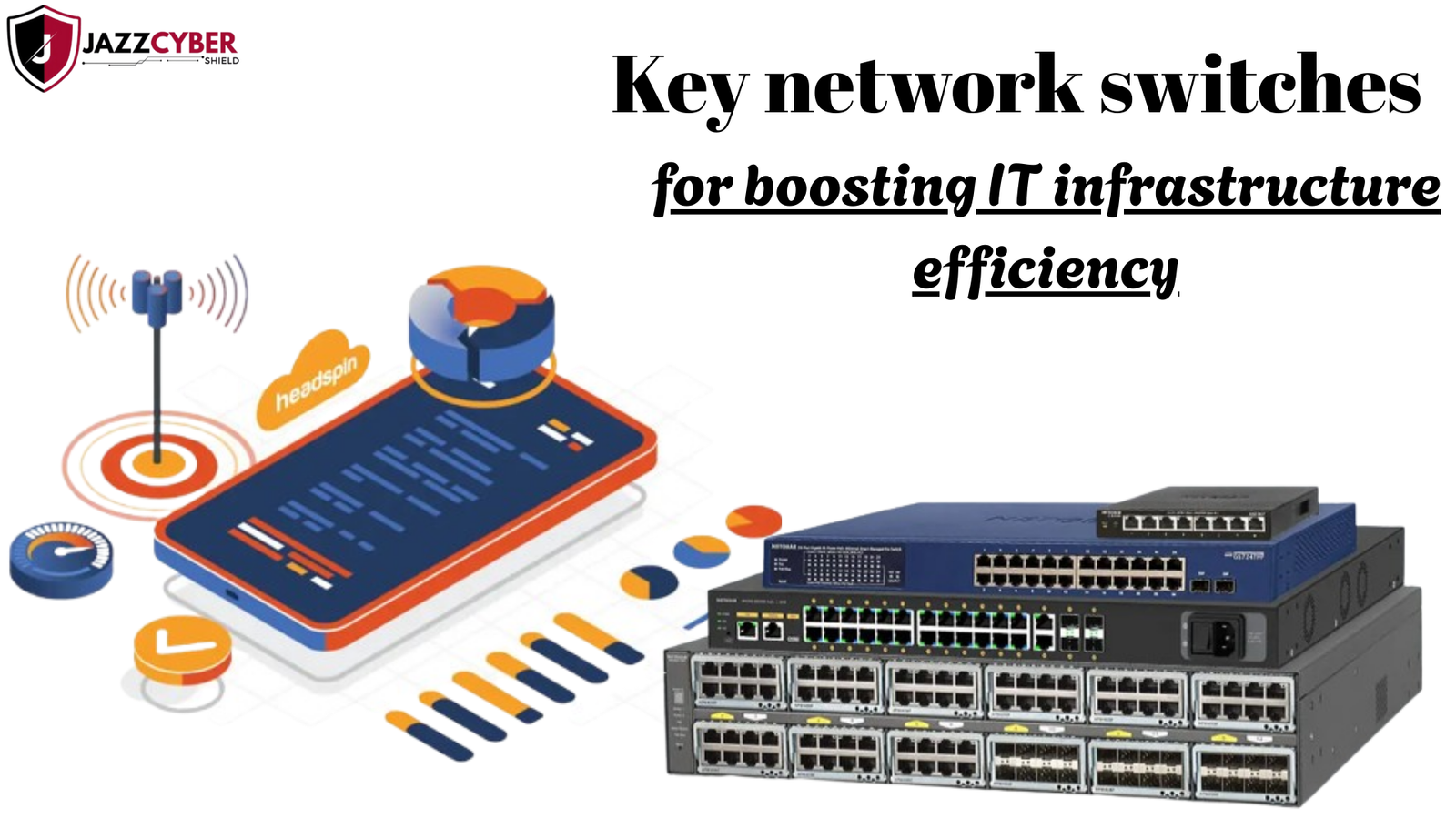
In today’s digital world, network efficiency crucial for every enterprise. Business require high performance switches to ensure smooth connectivity, minimize downtime and support cloud, hybrid and IoT application. Choosing the right switches dramatically improve network performance while reducing costs. This blog explain the key switches that IT infrastructures should include to maximize efficiency and future proof operations.
Understanding Network Switches & Their Role
Network switches are that which connect multiple devices within a network, enabling data to flow efficiently. They operate at layer 2 or layer 3 of OSI model and manage traffic to prevent congestion.
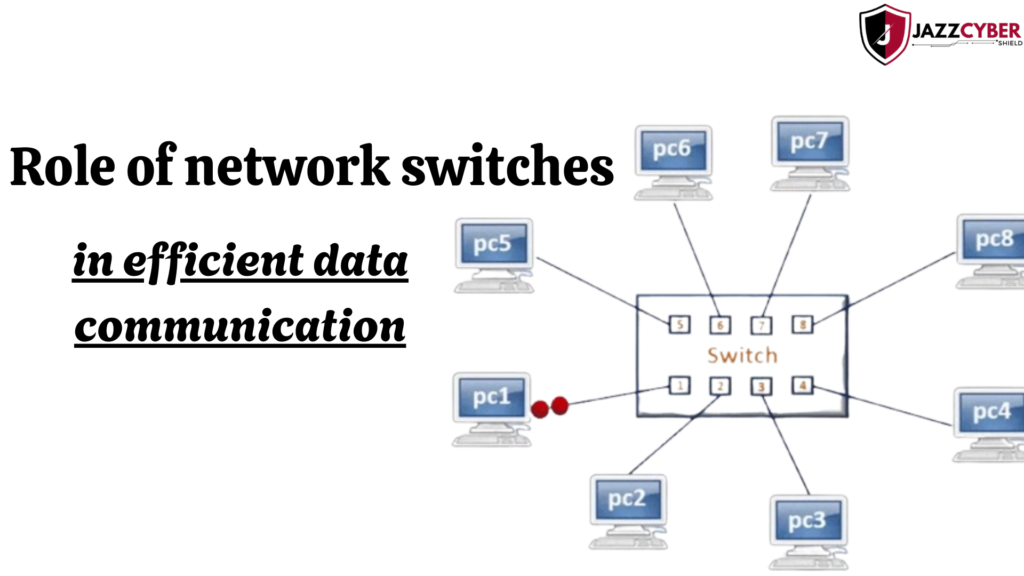
Switches play critical roles in:
- Direct traffic between server, computer and network devices
- Improve network performance through high throughput & low latency
- Provide security by segmenting network & managing access
Moreover, modern switches offer advance features such as PoE (Power over Ethernet), automation & analytics. Therefore, understanding types of switches essential for IT team planning enterprise networks.
Core Switches for Backbone Performance
Core switches act as backbone of enterprise network, connecting distribution & access switches. They handle high volume of traffic & ensure fast, reliable communication across organization.
Key benefits include:
- High throughput to support cloud application and data center connectivity
- Redundant architectures to prevent downtime
- Scalability to accommodate network growth
Furthermore, core switches support advance routing protocols and high speed uplinks. As a result, they ensure that enterprise maintain performance even under heavy workloads.
Distribution Switches for Efficient Traffic Management
Distribution switches connect core switch to access switches and help manage network traffic efficiently. They are crucial for segmentation & policy enforcement, enabling better security & performance.
Important features include:
- VLAN support for network segmentation
- Quality of Service (QoS) to prioritize critical applications
- Redundancy for consistent uptime
Because distribution switches manage traffic between the access and core layer, they reduce congestion and improve response time. Additionally, they simplify network management for IT team.
Access Switches for Endpoint Connectivity
Access switches connect end devices such as computer, phones and IoT devices to network. They are used in campus networks & small office to ensure reliable connectivity.
Key advantage includes:
- High port density to connect multiple devices
- PoE capabilities for powering devices like IP cameras and VoIP phones
- Simplified management through centralize software
Furthermore, access switches essential for hybrid work environment, as they provide secure connection for remote & on premise user. Therefore, include access switches in IT infrastructure critical for daily operation.
Managed vs. Unmanaged Switches
Choosing between managed & unmanaged switches affect network flexibility & control.
- Managed switches allow IT team to configure, monitor and optimize the network. They support VLANs, QoS, security policies and redundancy.
- Unmanaged switches are plug and play devices suitable for small setups or low traffic environments.
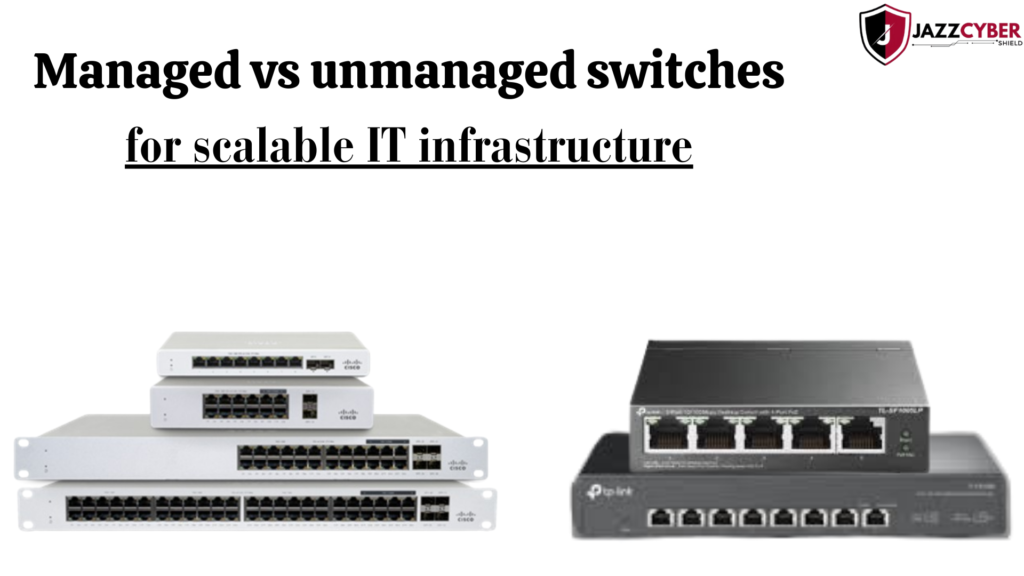
Because managed switches offer advanced features and better performance, enterprises should prioritize them for critical network layer. On the other hand, unmanaged switches are cost effective for simple deployments or temporary expansions.
PoE Switches for Modern Devices
Power over Ethernet (PoE) switches deliver both data & power through single cable, making them ideal for IoT device, VoIP phones & access points.
Benefits of PoE switch includes:
- Reduced cabling costs by combining power and data
- Flexible deployment of network devices without nearby power outlet
- Enhanced network reliability for critical endpoint
Additionally, PoE switches support network growth by allowing IT team to add devices quickly without infrastructure changes. In the result, they are corner stone of modern & efficient networks.
Layer 2 vs. Layer 3 Switches
This switch operate data link layer, handle traffic in same network. Layer 3 switch provide routing capabilities, connecting multiple networks efficiently.
Layer 3 switch offers:
- Faster routing between VLANs or subnets
- Advanced traffic management and policy enforcement
- Scalability for growing enterprise networks
By combining Layer 2 and Layer 3 switches, businesses achieve a balanced, high performance network that support both internal and inter network traffic.
FAQs: Key Switches for IT Infrastructure
1. What is the difference between core, distribution and access switches?
Core switches handle backbone traffic, distribution switch manage traffic between layer & access switches connect end devices.
2. Why managed switches better than unmanaged switches?
Managed switches provide configuration, monitoring & security features, make them ideal for enterprise networks.
3. What devices benefit most from PoE switches?
IoT devices, VoIP phones, security cameras & access points benefit from PoE switches.
4. Do Layer 3 switches replace router?
Layer 3 switches route traffic between VLANs & subnets but are typically use alongside router for external connectivity.
5. How switches improve network efficiency?
Switches reduce congestion, segment network, prioritize traffic & improve overall performance & reliability.
Conclusion
Choosing the right switches is essential to boost network efficiency. Core, distribution, access and PoE switches all play vital role in enterprise networks. By implement a mix of Layer 2 & Layer 3 switches, business support modern workload, hybrid work environment & IoT devices efficiently.
With proper switch deployment & planning, IT team ensure secure, reliable & scalable network capable of meeting future demand. Investing in the right switches today lead to better performance, lower downtime and optimized enterprise operations.


Thanks for this practical guide! The section about PoE switches was super helpful for planning future expansion with VoIP phones and access points. I’m definitely bookmarking this post for reference.
Studying this info So i’m glad to show that I have a very excellent uncanny feeling I came upon exactly what I needed.
I most indisputably will make sure to do not forget this website and
give it a glance on a relentless basis.
You nailed it with the emphasis on scalability and redundancy. Choosing the right switch isn’t just about ports—it’s about long-term strategy. Great content for both IT pros and small business owners!