



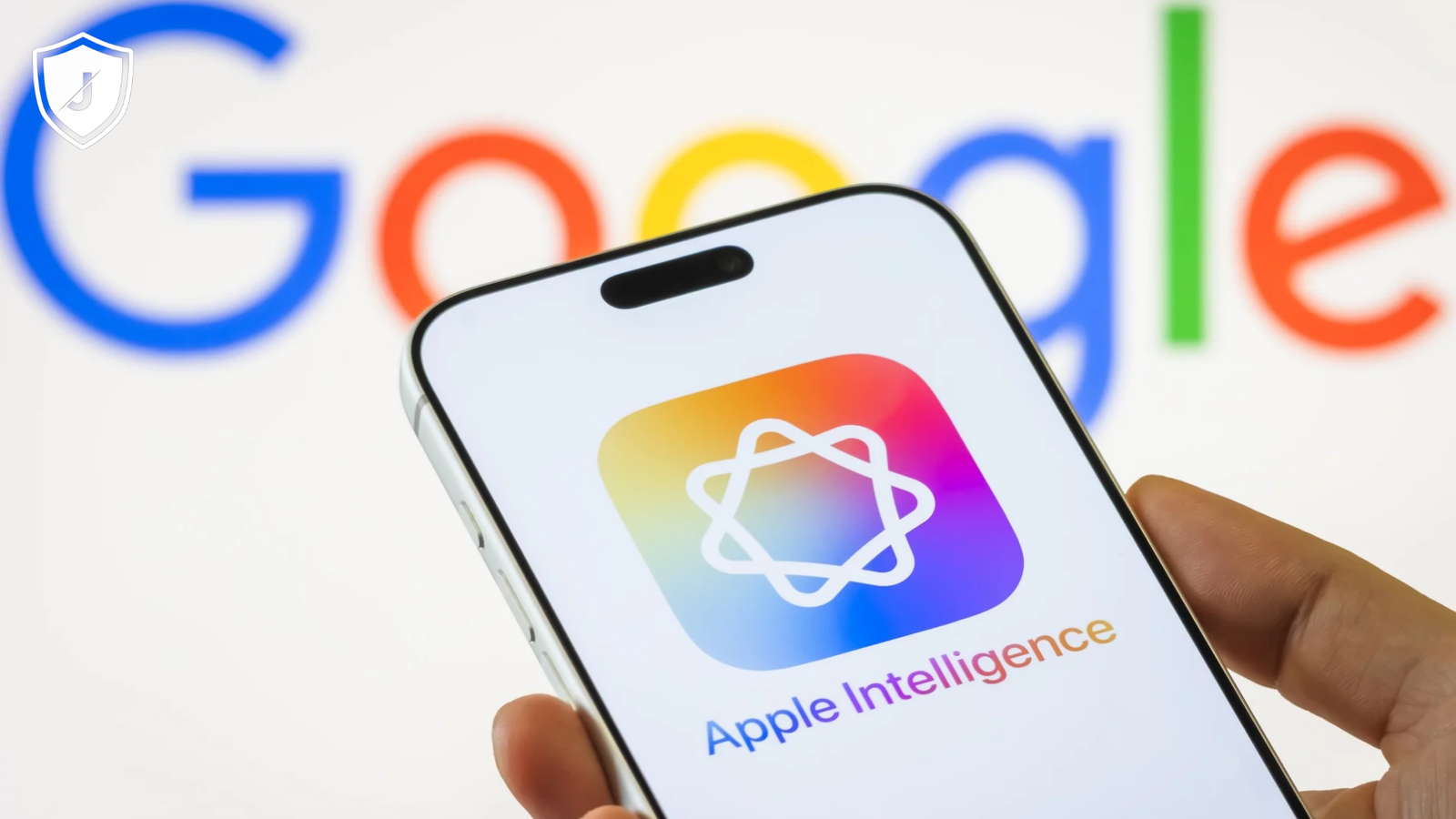
The decision that Apple made in 2026 was one of the most controversial ever. Choosing Google’s Gemini AI models over OpenAI’s ChatGPT, which was already the reigning king of the AI text generators. As the primary source of artificial intelligence for Siri upgrade. was a bold step forward. The union of Apple and Google is the main collaboration ever in the AI landscape. It demonstrates that the rivalry among the top firms in AI has become more severe than ever.
Despite the rapid development of AI technology, Apple, which had always relied on its own AI systems, eventually lost the race to the likes of Google and OpenAI. As such, Apple was left with no choice but to collaborate with Google on the foundation of its new AI-powered Siri and Apple Intelligence features.
The article discusses the main reasons for Apple’s decision, what it means for the future of Siri users, and why OpenAI was not the winner this time. We will also touch upon the impact of this decision on AI assistants‘ future and what users may anticipate subsequently.
The Siri Upgrade Race: Apple and AI Expectations
Siri was launched by Apple in 2011 as nothing more than a basic voice assistant. Gradually, Apple continued to add new features but Siri never really caught up with the rivals in terms of intelligence and natural language understanding. Then, in 2024, Apple executed the of ChatGPT integration just to make Siri a bit smarter and gave it the functionality to transfer complex queries to the OpenAI model.
Siri still, however, was not performing at anywhere close to the level of ChatGPT or Google Assistant with regard to both the conversational and the advanced performance. In the meantime, Google was refining its Gemini AI with large models that were capable of logical thinking, writing, planning, and even performing multimodal tasks.
Reasons Behind Google Gemini AI Outperforming OpenAI to Be Siri
1. Superior Large Language Model (LLM) Capabilities
Google’s Gemini AI models are breaking new ground in performance. The new versions of Gemini surpass many rivals in benchmarks and capability tests. To illustrate, the Gemini 3 Pro model is credited with its excellent reasoning and accuracy as compared to other leading AI models.
The new models from OpenAI are quite powerful, but Apple selected Gemini due to its superior performance and easy integration. This development makes Siri provide smarter responses along with better comprehension of the voice commands given.
2. Most Compatible with Device‑Level Integration
Apple was looking for an AI solution which would be highly compatible across iPhone, iPad, Mac, and other devices. Plus, it wanted AI for its Intelligence features such as summarization, task planning, and contextual awareness in apps. The architecture of Gemini was such that it facilitated building on Apple’s platform while at the same time keeping user data safe on Apple devices and Private Cloud Compute systems.
3. Ongoing Collaboration with Google
Apple is already in a long-term supportive business relationship with Google covering multiple sectors, including search, where the partnership generates billions in revenue each year. The strong existing trust factor made it easier to enlarge the partnership to include AI.
4. Business and Market Trust
A short period after the announcement, Alphabet, Google’s parent company, reached a market valuation of $4 trillion, a clear indication of the strong investor confidence in the lead Google has in AI. This bump suggested the market thinks Google’s AI tech is capable of leading the next mobile intelligence wave.
OpenAI and ChatGPT: What Happened?
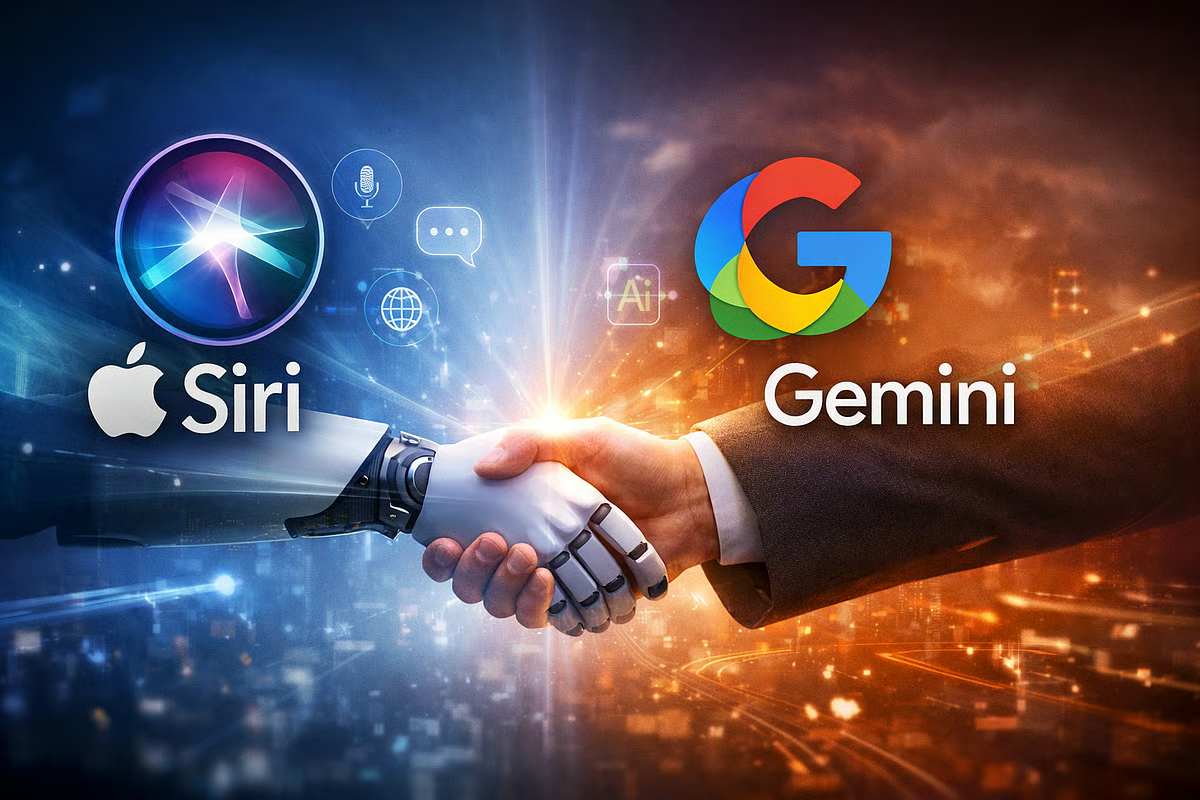
OpenAI continues to be a very significant player in the field of AI while Apple has not entirely blocked Siri’s access to ChatGPT. Apple’s ChatGPT integration will still be provided for a limited time as an option for complex inquiries.
Despite this, OpenAI did not secure the main Siri contract for a couple of reasons:
- Performance and scale: Apple concluded that Gemini’s giant models gave a more robust base for Siri’s core intelligence tasks, going one step forward.
- Integration plans: Apple required a model that could operate very closely with and conform to its ecosystem and privacy standards.
- Strategic direction: Apple did want to completely depend on one third-party AI provider in the long run.
What to Expect from Gemini‑Powered Siri
The new and improved Siri will be Gemini-based which means it will be great at performing different tasks. Users will get:
- Better context understanding thus making Siri follow dialogues well
- Intelligent multi-step task execution requiring no prompts being repeated
- Quicker real-time responses
- Natural language-based app integration with more depth
- Efficiency in planning and summarizing tools
In the spring of 2026, Apple will unveil the iOS 26.4 update alongside the implementation of the Gemini models but will ensure utmost security for user data in order to uphold privacy.
After the Gemini Deal, Apple’s AI Strategy
Most analysts consider Apple’s move as a practical one, rather than a defeat signal. The company continues to manufacture hardware and create software which make their products stand out. Apple, rather than directly competing with big cloud AI providers, has chosen to benefit from the best technology and invest its strengths in other areas.
Above all, Apple has not given up its own AI research. The company keeps working on its models, and it is possible that it will use them again when they are ready for the market.
Industry Reaction
Some considered it to be a big win for Google over OpenAI in the AI race. Others see it as a sign that partnership is the answer to creating cutting-edge AI features. One thing is for sure, the deal changes the way AI assistants get developed. It may happen that the future of AI would come down to sharing of platforms, forming alliances, and very quick iterations.
Impact on Users and the Tech Landscape
Users will undergo a perceivable decline in restrictions and a rise in natural-language conversations. Siri will not just be a simple voice control anymore but will start to play the role of a complete assistant.
The AI tools‘ developers and creators look at this agreement as a new standard. Companies might have to change their approaches to mobile AI service delivery and after that, they should be extremely careful when dealing with the platform owners.
Frequently Asked Questions (FAQs)
1. Why did Apple go for Google Gemini instead of OpenAI for Siri? Apple preferred Gemini as it provided the most solid support for Siri’s primary AI functions and therefore most closely resembled Apple’s integration and privacy goals.
2. Is ChatGPT still going to be an option with Siri? Yes, Apple will keep ChatGPT as an optional integration for complicated queries to support it.
3. When will the Siri coming with Gemini be available? The upcoming Siri update is likely to be rolled out with iOS 26.4 in spring 2026.
4. Will Google have access to my private Siri requests? No. Apple will perform data processing using on-device and Private Cloud Compute systems to ensure customer privacy.
5. Is this a sign that Apple is no longer focused on their own AI endeavors? Not really. Apple still creates its own AI models but has decided to utilize Gemini for the time being to speed up the improvement of Siri.

