



Cybersecurity threats growing faster than ever. However, many people believe outdated ideas about online safety. In the result, these myths create false confidence & serious risks. Moreover, hackers use smarter tools and therefore old assumptions no longer work. Understanding truth help individual & business protect data, devices and privacy more effectively.
Myth 1: Cybersecurity is only an IT Problem
Many people think cybersecurity belong to IT team. However, attacker target human behavior, not system. For example, phishing emails trick employee into clicking harmful links. Therefore, everyone play role in cybersecurity.
Moreover, cybercriminal depend on weak passwords & careless actions. Consequently, one mistake expose an entire organization. Cybersecurity awareness involve all user not just IT professionals.
Myth 2: Small Businesses are not a Target
Small businesses believe hackers attack large companies. However, attacker prefer small business because security is usually weaker. In fact, many cyberattack target small and medium business first.
Additionally, small companies lack recovery plans. Therefore, one breach shut operations down completely. Cybersecurity protection matter regardless of business size.
Myth 3: Antivirus Software is enough
Antivirus software help, but it not stop all threat. Modern attack use ransomware, file less malware & social engineering. In the result, antivirus alone cannot protect against advanced threats.

Furthermore, attackers constantly change tactic. Therefore, layer security like firewalls, update and user training is essential. Depending on one tool create dangerous gap.
Myth 4: Strong Passwords are no longer important
Some user think password no longer matter because of biometric. However, passwords still protect most accounts. Weak password allow hacker to break in quickly.
Moreover, attacker use credential stuffing attack across platforms. Therefore, strong and unique passwords remain critical. Using password manager adds another strong defense.
Myth 5: Public wi-Fi is safe if it has a password
Public Wi-Fi feel safe when it ask for a password. However, attacker still intercept traffic on shared network. In addition, fake hotspot look legitimate.
Therefore, sensitive action like banking should never happen on public Wi-Fi. Using trusted VPN reduce risk and protect data.
Myth 6: Cyber Attacks are always Obvious
Many people expect cyberattacks to cause instant damage. However, attacker stay hidden for weeks or months. Meanwhile, they steal data quietly.
Moreover, modern malware avoid detection intentionally. Therefore, regular monitoring and security audits necessary. Silence not mean safety.
Myth 7: Macs and iPhones not get Malware
Apple devices are secure, but they not immune. In fact, attacker increasingly target macOS and iOS user. As Apple devices grow in popularity, hackers follow.
Additionally, fake apps & malicious profiles bypass protections. Therefore, user must still practice safe browsing and update.
Myth 8: one Data Backup is Enough
Some user think a single backup protect everything. However, ransomware encrypt connected backups. As a result, one copy fail completely.
Also, expert recommend 3-2-1 backup rule. Keep three copies, on two type of storage, with one offline. This strategy improve recovery success.
Myth 9: Cybersecurity is too Expensive
Many people believe cybersecurity cost too much. However, breach cost far more than prevention. Moreover, affordable tool now exist for individuals and small businesses.
Therefore, basic security measures high return on investment. Spending smart prevent massive losses later.
Myth 10: Compliance Means you are Secure
Compliance standards help, but they do not guarantee security. Attackers do not follow rules. Therefore, meeting regulation alone is not enough.
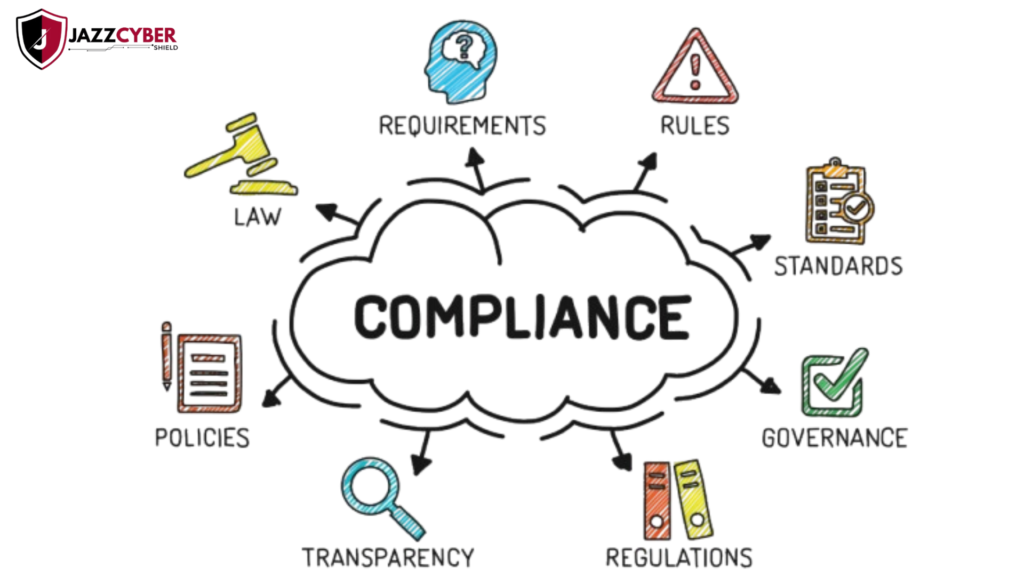
Moreover, compliance focus on minimum requirements. True cybersecurity require continuous improvement & threat awareness.
Why these Cybersecurity Myths are Dangerous
Cybersecurity myths create false sense of safety. Consequently, user ignore real threats and delay action. Meanwhile, attacker exploit these weakness daily.
Therefore, understanding truth improve protection. Education & proactive security reduce risk significantly.
How to stay cyber safe in 2026
You reduce cyber risk by following simple steps:
- Use strong, unique passwords
- Enable multi factor authentication
- Keep software updated
- Train user regularly
- Backup data securely
Moreover, staying inform help you adapt to new threats quickly.
Conclusion
Cybersecurity myths no longer match today’s digital reality. As threats evolve, outdated beliefs increase risk. Therefore, stopping these myths improve protection for individuals and businesses alike.
By understanding real cybersecurity risk and solutions, you stay safer online. Knowledge remain strongest defense in 2026 and beyond.
5 FAQs about Cybersecurity Myths
1. Why are cybersecurity myth dangerous?
Cybersecurity myths create false confidence. As a result, user ignore real risk and delay protection, making attack easier.
2. Is anti-virus software enough for cybersecurity?
No. Antivirus not stop modern threats. Layered security provide better protection against advanced attacks.
3. Are small businesses really targeted by hacker?
Yes. Small business frequent target because they lack strong security defenses.
4. Can smartphones get hacked?
Yes. Smartphone face malware, phishing & data theft risk, especially through fake apps & un-safe networks.
5. What is biggest cybersecurity mistake people make?
Believing they are not a target. Attackers target everyone, not just large organization.


If you think cybersecurity is too complicated, this blog post is for you. Jazz Cyber Shield’s blog makes learning easy and accessible.
[…] could receive a convincing phishing email. This is also why we recommend reading our article on 10 Cybersecurity Myths You Need to Stop Believing — many people still assume they are “too small to be a […]