



Cloud native security is the backbone of modern enterprise defenses and in 2026 it continues to evolve rapidly. Enterprises face growing threats as workloads move across multi‑cloud environments. Traditional perimeter-based security is no longer enough. Instead, cloud-native security focuses on protecting applications, data, and access inside dynamic cloud environments. This cloud native security best practices 2026 guide explains Zero Trust principles, SASE adoption, and Palo Alto’s solutions for enterprise protection.
By following this zero trust cloud native security guide, organizations can prevent breaches, enforce least‑privilege access, and implement automation to strengthen defenses. This guide also covers cloud native threat prevention for enterprises, offering actionable insights and tips for effective deployment.
Introduction to Cloud‑Native Security Trends in 2026
In 2026, cloud-native security trends prioritize AI-driven threat detection, automation, and identity-centric policies. Businesses increasingly adopt hybrid and multi-cloud strategies, making traditional security obsolete. Attackers now exploit misconfigurations, insider threats, and vulnerable APIs.
Zero Trust and Secure Access Service Edge (SASE) are critical frameworks. Palo Alto SASE implementation tips focus on converging network security and access policies in the cloud. This reduces risk while providing palo alto sase for cloud workloads and remote users. By implementing these strategies, enterprises can achieve enterprise cloud native threat defense with scalability and simplicity.
Understanding Cloud-Native Security
Definition:
Cloud-native security protects cloud applications, workloads, and microservices using tools designed for dynamic environments. Unlike legacy security, it adapts to containerized services, APIs, and ephemeral workloads. This cloud native security framework explained helps organizations maintain visibility and control without slowing down deployments.
Key Challenges:
Dynamic cloud workloads, frequent API interactions, and distributed services create gaps in visibility and monitoring. Without cloud-native security, these gaps increase risk.
Benefits:
Cloud-native models provide real-time monitoring, automated threat detection, and integrated enforcement. Enterprises following cloud native identity security 2026 principles can secure users and devices effectively. Applying cloud microsegmentation with Palo Alto further limits lateral movement within cloud environments.
What is Palo Alto SASE?
Introduction:
SASE combines networking and security services delivered from the cloud. Palo Alto’s Prisma SASE integrates SD-WAN, secure web gateways, CASB, and Zero Trust Network Access (ZTNA). It enables enterprises to implement palo alto sase security strategies while simplifying cloud security management.
Core Components:
- SD-WAN: Optimizes connectivity for cloud applications
- Secure Web Gateway (SWG): Blocks malicious web traffic
- CASB: Secures cloud apps and data
- ZTNA: Provides identity-based access control
By adopting cloud security playbook with Palo Alto SASE, enterprises can enforce consistent policies across hybrid and remote environments. This unified approach supports zero trust architecture cloud 2026, reducing risk for modern workloads.
Zero Trust Architecture in the Cloud
Principles:
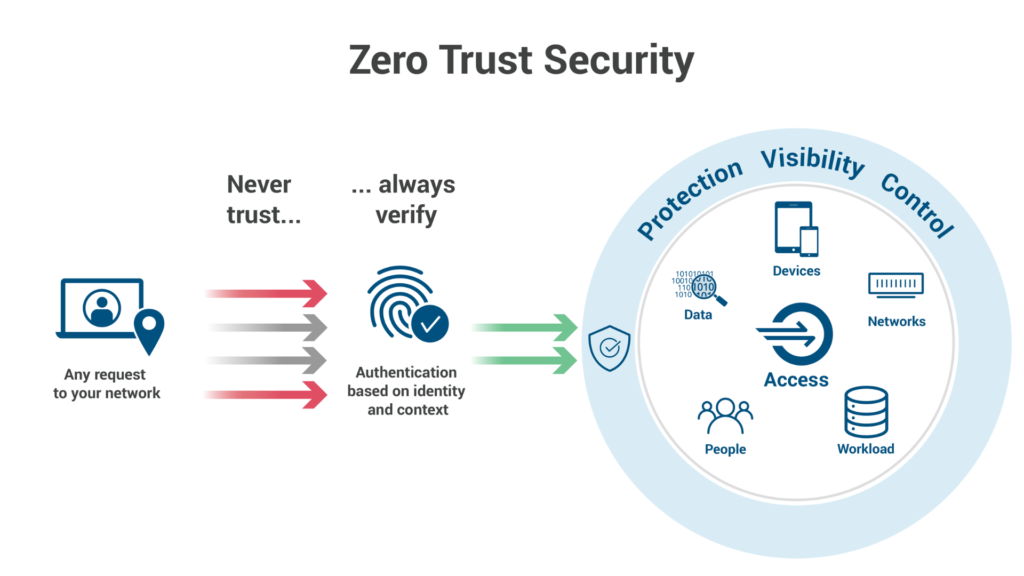
Zero Trust assumes no user or device is trusted by default. Verification is continuous, ensuring only authorized access is allowed. This minimizes lateral movement and protects sensitive data.
Palo Alto’s Role:
With Prisma SASE, Zero Trust policies are applied dynamically. Identity and device posture are verified before granting access, making it ideal for enterprise zero trust security checklist compliance.
Identity and Access:
Cloud native perimeterless security trends focus on identity as the core security control. Least-privilege access and dynamic trust evaluation ensure that even compromised credentials cannot easily spread attacks.
Threat Prevention for Cloud-Native Environments
Common Threats:
Cloud native apps face malware, misconfigurations, API abuse, and insider threats. Enterprises must adopt advanced threat prevention cloud native 2026 techniques to mitigate risks.
Palo Alto Capabilities:
Prisma SASE provides AI-powered detection, automated policy enforcement, and real-time traffic inspection. Enterprises can use cloud threat detection best practices to stop threats before they reach critical workloads.
Best Practices:
Implement automation, least-privilege policies, and continuous monitoring. Following the cloud native risk mitigation guide ensures proactive threat management. Integrating SASE with DevOps pipelines also supports cloud secure development practices and faster mitigation of vulnerabilities.
Step-by-Step Enterprise Implementation Guide
Assess Security Posture:
Evaluate workloads, access patterns, and risk. Identify gaps in visibility and protection.
Plan SASE Deployment:
Use a phased approach, starting with critical applications. Focus on palo alto sase for midsize businesses if scaling to multiple teams.
Integrate Policies and Automation:
Apply Zero Trust controls automatically and leverage AI analytics to adjust access dynamically.
Monitoring and Response:
Use dashboards, SIEM, and SOAR tools to streamline incident detection. Adopting a cloud security lifecycle with Palo Alto approach ensures continuous evaluation and optimization.
Case Studies & Real-World Examples
An enterprise implemented Prisma SASE to secure hybrid workforces. By unifying access policies, they improved security posture and reduced operational complexity. This deployment highlights the effectiveness of cloud native threat prevention for enterprises and palo alto sase security strategies.
Best Practices & Tips for 2026
- Leverage AI and automation for real-time threat detection
- Implement identity-driven, least-privilege access consistently
- Integrate security into DevOps and CI/CD pipelines (cloud secure development practices)
- Continuously monitor and adjust policies (cloud native security best practices 2026)
By following these practices, enterprises can maintain compliance, reduce risk, and strengthen cloud native identity security 2026.
Conclusion
Cloud-native security with Palo Alto SASE provides a scalable, Zero Trust framework for modern enterprises. It supports enterprise cloud native threat defense, advanced threat prevention, and consistent policy enforcement across hybrid and cloud workloads. Adopting these strategies ensures your organization stays secure, efficient, and compliant in 2026 and beyond.

