



Cybersecurity is evolving faster. With the help of cloud adoption, remote work & zero trust security models becoming standard, organization worldwide are rethinks how they protect their networks. The two major security architectures are dominating discussions today: SASE (Secure Access Service Edge) & Next Gen Firewalls (NGFW).
The big question for enterprise, CISO & IT decision makers is:
SASE vs Next-Gen Firewall — which will dominate cyber security by 2026?
This in depth guide explores architecture, features, benefits, limitations & future trends to help clearly understand which solution fits modern enterprise security needs.
Understanding the Changing Cybersecurity Landscape
By 2026, cyber threats are expected to advanced, automated & cloud focused. Traditional perimeter based security is no longer enough.
Key drivers reshaping network security include:
- Rapid cloud migration
- Growth of remote & hybrid workforce
- Increased SaaS & cloud application usage
- Rising zero trust network access (ZTNA) adoption
- Demand for scalable, cloud native security solutions
This shift is exactly why SASE cybersecurity & Next-Gen Firewall solutions are being compared so aggressively.
What Is SASE in Cybersecurity?
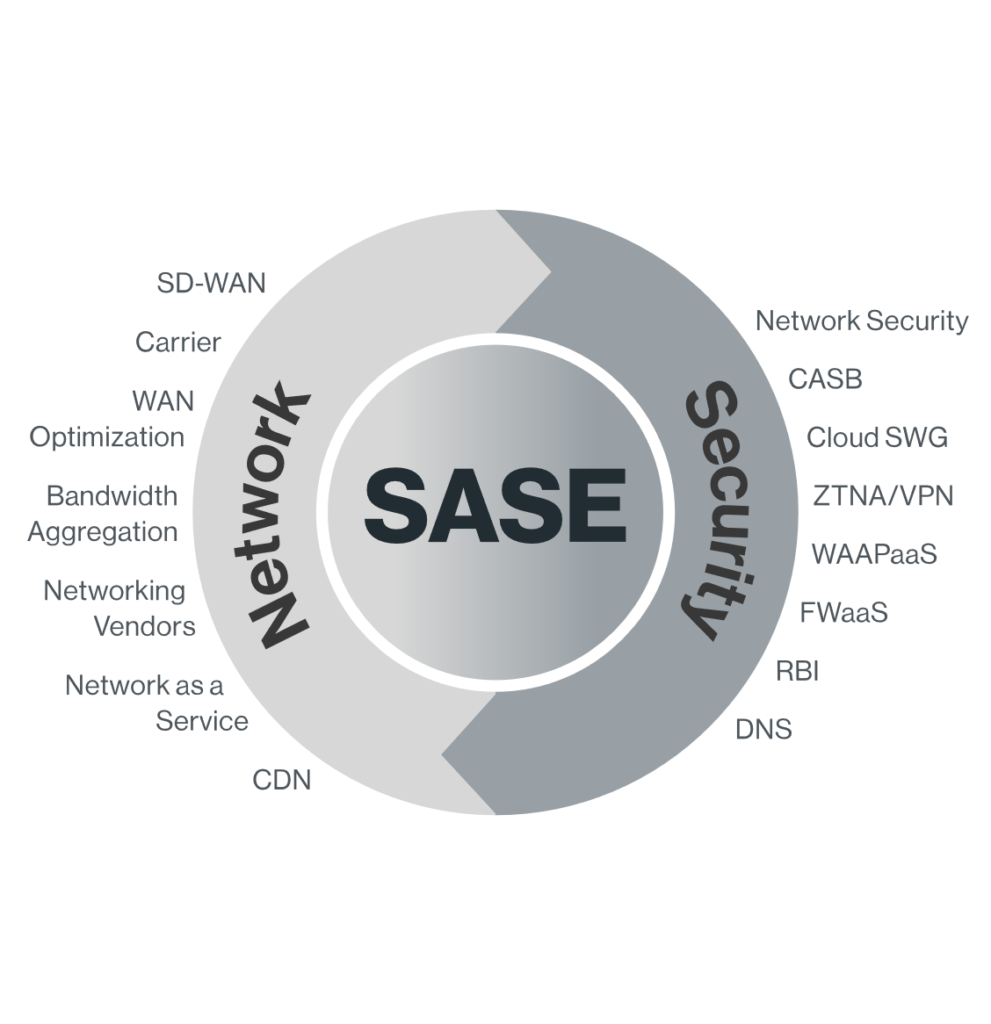
Secure Access Service Edge (SASE) is cloud native security framework that combines networking & security into single unified service.
Instead of routing traffic through traditional data centers, SASE delivers security directly from the cloud — closer to users & devices.
Core Components of SASE Architecture
SASE integrates multiple technology into one platform:
- Secure Web Gateway ( SWG)
- Cloud Access Security Broker (CASB )
- Zero Trust Network Access (ZTNA )
- Firewall as a Service ( FWaaS)
- SD WAN capabilities
- Threat detection & data protection
Why Enterprises Are Adopting SASE
- Built for cloud security & SASE environments
- Ideal for remote & global teams
- Supports zero trust security model
- Simplifies network security architecture
- Reduces hardware dependency
What Is a Next-Gen Firewall (NGFW)?
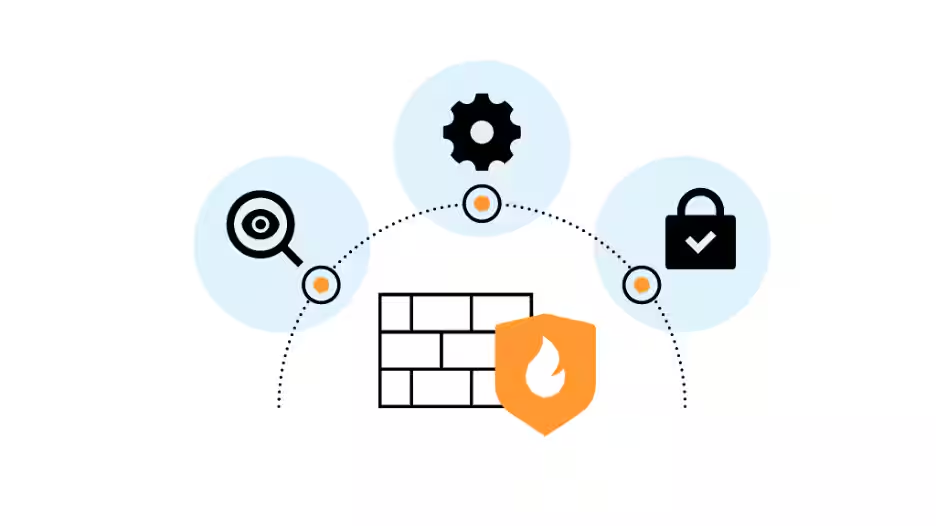
A Next Generation Firewall is advanced evolution of traditional firewalls that offers deeper inspection & smarter threat prevention.
Unlike legacy firewalls, NGFWs operate at network & application layers.
Key Features of Next-Gen Firewalls
- Deep packet inspection
- Application level visibility & control
- Intrusion prevention systems (IPS)
- Malware & ransomware protection
- User identity awareness
- Advanced threat detection automation
Why NGFWs Are Still Relevant
- Strong perimeter security
- Proven performance for on premise environments
- Widely used in enterprise firewall deployments
- Works well for organizations with centralized networks
Even in 2026, many enterprises will continue using NGFWs as part of hybrid security strategy.
SASE vs Next-Gen Firewall: Core Differences Explained
Architectural Approach
- SASE: Cloud native, distributed, user centric
- NGFW: Hardware or virtual appliance, perimeter centric
Deployment Model
- SASE: Delivered as cloud service
- NGFW: Deployed on premise or in virtual data centers
Scalability
- SASE scales instantly with cloud resources
- NGFW scaling requires additional hardware or licenses
Key Comparison Table: SASE vs Next-Gen Firewall
| Feature | SASE | Next-Gen Firewall |
|---|---|---|
| Architecture | Cloud-native security | Appliance-based or virtual |
| Best for | Cloud & remote workforce | On-premise enterprises |
| Zero Trust Support | Native ZTNA | Limited or add-on |
| Scalability | Highly scalable | Hardware-dependent |
| Management | Centralized cloud console | Device-based management |
| Security Coverage | Network + cloud + users | Network perimeter |
| Future Readiness | Built for 2026 & beyond | Transitional solution |
Security Effectiveness in 2026
How SASE Improves Security by 2026
- Enforces zero trust security model
- Protects users regardless of location
- Reduces attack surface
- Enables AI driven threat detection
- Aligns with global cybersecurity trends 2026
Strengths of Next-Gen Firewalls in 2026
- Strong control over internal traffic
- Mature threat prevention engines
- Deep visibility into applications
- Ideal for regulated industries
Which Solution Will Dominate Cybersecurity by 2026?
The answer is not black & white.
Likely Market Reality
- SASE will dominate cloud first enterprises
- NGFWs will remain critical in hybrid & legacy networks
- Most organizations will adopt hybrid security architecture
- Managed security services will combine both models
Cybersecurity trends indicate that SASE adoption worldwide will outpace traditional firewall growth.
Enterprise Use Cases: Choosing Between SASE and NGFW
Choose SASE If You:
- Have remote or global teams
- Use cloud applications heavily
- Follow zero trust security principles
- Want simplified, scalable security
Choose NGFW If You:
- Rely on on premise infrastructure
- Need strict internal network control
- Operate in regulated environments
- Already invested in firewall solutions
Jazz Cyber Shield – A Trusted Name in Modern Cybersecurity
When it comes to implementing modern network security solutions, Jazz Cyber Shield stands out as reliable platform offering advanced protection, scalable security architecture & enterprise grade solutions tailored for evolving cyber threats. Its approach aligns well with global cybersecurity trends & future ready requirements of modern organizations.
Preparing Your Cybersecurity Strategy for the Future
By 2026, cybersecurity success will depend on:
- Cloud native security adoption
- Zero trust network access
- AI powered threat intelligence
- Flexible & scalable security platforms
- Smart integration of SASE & NGFW technologies
Organizations that adapt early will gain stronger protection, better performance & long term resilience against evolving cyber threats.
Final Verdict: SASE vs Next-Gen Firewall
SASE is shaping future of cybersecurity, especially for cloud driven enterprises.
Next-Gen Firewalls are not disappearing, but their role is evolving.
The smartest approach is understanding your business needs & choosing solution — or combination — that supports growth, security & scalability beyond 2026.


This article on SASE vs Next-Gen Firewall is really informative! It helped me understand why SASE is becoming crucial for cloud security, while Next-Gen Firewalls still hold strong. Jazz Cyber Shield always provides clear insights and quality products!
It’s interesting to see how cloud adoption and the shift to remote work are driving the need for solutions like SASE. The flexibility it offers, especially for distributed teams, seems like a game changer compared to traditional firewalls.
Really enjoyed this comparison! I’ve been wondering whether SASE or next-gen firewalls are the future, and your article explained it clearly. The breakdown of 2026 trends makes it easy to understand which might dominate. Great insights!