



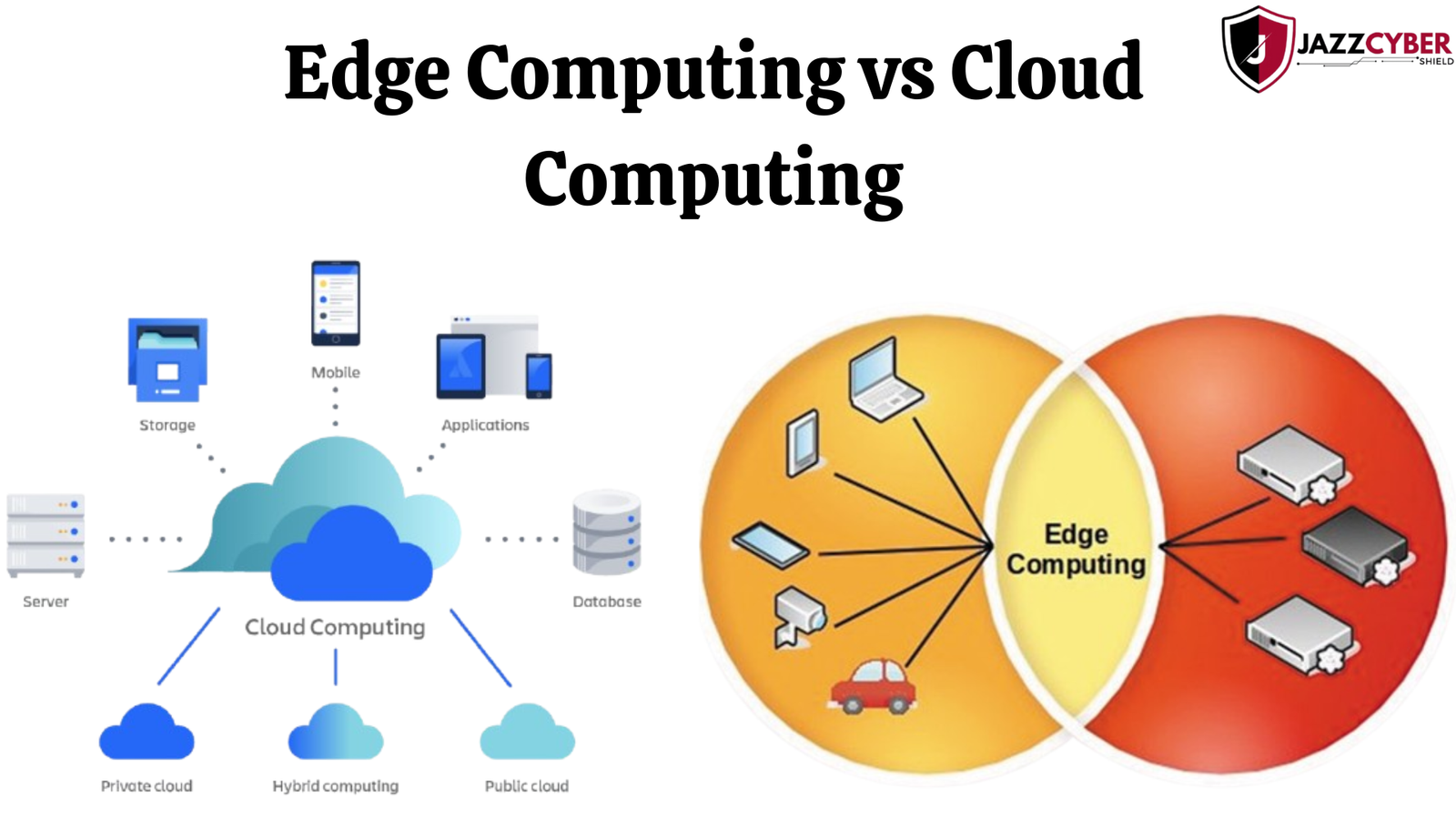
In 2026, business face growing data demand. Moreover, developer & IT team must choose between edge vs cloud computing 2026 for optimal performance. Understanding the differences between edge & cloud computing is critical because it affects latency, cost & scalability. For instance, cloud computing lead to delay for real time applications, while edge computing move processing closer to devices. Therefore, this guide explain the edge computing advantages over cloud, helping business & developer pick the right solution for their need.
What is Cloud Computing?
Cloud computing refer to centralize server for storing, processing & managing data. Essentially, it allow user to access apps, databases & storage remotely. Moreover, cloud provider like AWS, Microsoft Azure & Google Cloud dominate this space. Business benefit from cloud computing benefits & drawbacks: scalability, cost effectiveness & easy access make it ideal for many use case. However, cloud vs edge computing for business show cloud struggle with latency, bandwidth dependency & potential security risk. Despite drawbacks, cloud computing remain essential for large scale storage, SaaS & analytics task.
What is Edge Computing?
Edge computing process data near the source instead of sending it to centralize server. This improve speed & reduce latency. Moreover, edge computing use case 2026 include autonomous vehicles, industrial IoT & real time healthcare monitoring. Benefits are clear: faster decision making, enhanced security & real time analytics. In addition, edge computing security vs cloud show edge keep sensitive data local, reducing exposure during transmission. Drawback include higher setup cost & moderate scalability. However, for application where speed matter, benefit of edge computing over cloud outweigh challenges.
Key difference between Edge & Cloud Computing
The edge vs cloud computing performance comparison highlight where each excels. The main differences include:
Latency: Edge computing vs cloud latency comparison show edge offers near instant response, while cloud depend on network speed.
Data Processing: Edge computes locally; cloud store & processes centrally.
Scalability & Cost: Cloud vs edge computing costs favors cloud for scalability; edge need hardware upgrade.
Security: Edge reduce data transfer risk, while cloud face breaches.
Use Cases: Edge for IoT, AI, industrial & healthcare; cloud for analytics, SaaS & storage.
Performance: Real world edge vs cloud computing for IoT application prove edge is faster for critical task.
This table help business decide based on application type, latency needs & cost consideration.
Edge computing vs cloud computing – Which one should you choose?
Choosing between two depend on your requirement. Firstly, small business prefer cloud for flexibility & lower upfront cost. Meanwhile, enterprise handling real time IoT or AI application benefit from edge computing advantages over cloud. Hybrid solution combine the best of both: edge handle critical task locally & cloud manages storage & analytic. Moreover, cloud computing efficiency vs edge show hybrid model reduce latency while maintaining scalability. Therefore, evaluating your application ensure you select the most efficient option for 2026.
Edge Computing and Cloud Computing Trend in 2026
Edge computing 2026 indicate rapid growth in IoT, smart factories & autonomous system. Meanwhile, cloud adoption continue for SaaS, analytics & centralized storage. Emerging tech like AI & 5G enhance edge vs cloud computing performance comparison, improving latency & reliability. Additionally, cloud vs edge computing explain 2026 show hybrid approaches will dominate, combining local edge processing with centralize cloud storage for better efficiency & cost management.
Pros and Cons – Edge vs Cloud
Edge Computing Pros:
- Low latency and faster response times (edge computing vs cloud latency comparison)
- Enhanced data security (edge computing security vs cloud)
- Ideal for IoT and AI applications (edge vs cloud computing for IoT)
Edge Computing Cons:
- Higher initial investment
- Limited scalability
Cloud Computing Pros:
- High scalability (cloud vs edge computing costs)
- Flexible pay as you go model (cloud computing benefits and drawbacks)
- Easy deployment for distributed teams
Cloud Computing Cons:
- Higher latency for real-time tasks
- Dependent on network speed
These points summarize the differences between edge & cloud computing, helping business choose based on performance & cost.
Conclusion
The difference between edge & cloud computing show each technology has unique strength. Edge deliver low latency, real time decisions & stronger security. Cloud offer scalability, flexibility & cost effective storage. Moreover, hybrid system combine edge computing advantage over cloud with cloud efficiency, providing the best of both world. By understanding edge vs cloud computing 2026, business choose solution that improve performance, reduce costs & future proof operation.
5 FAQs
1) Who is faster, edge computing or cloud computing?
Edge computing is faster because data is process locally. Cloud depend on server response times & network speed.
2) Can edge & cloud computing work together?
Yes, hybrid solution combine both. Edge handles real time task, while cloud manage storage & analytic.
3) Which is more cost effective for small businesses?
Cloud computing is usually cheaper upfront, but edge computing offer long term efficiency for time critical operation.
4) Is edge computing secure for sensitive data?
Yes, edge computing keeps data local, reducing exposure. It often provide better security than cloud for real time application.
5) How will edge & cloud computing evolves in 2026?
Edge computing adoption trend 2026 suggest growth in IoT, AI & industrial automation. Hybrid model will dominate cloud strategies, improving efficiency & lowering latency.

