



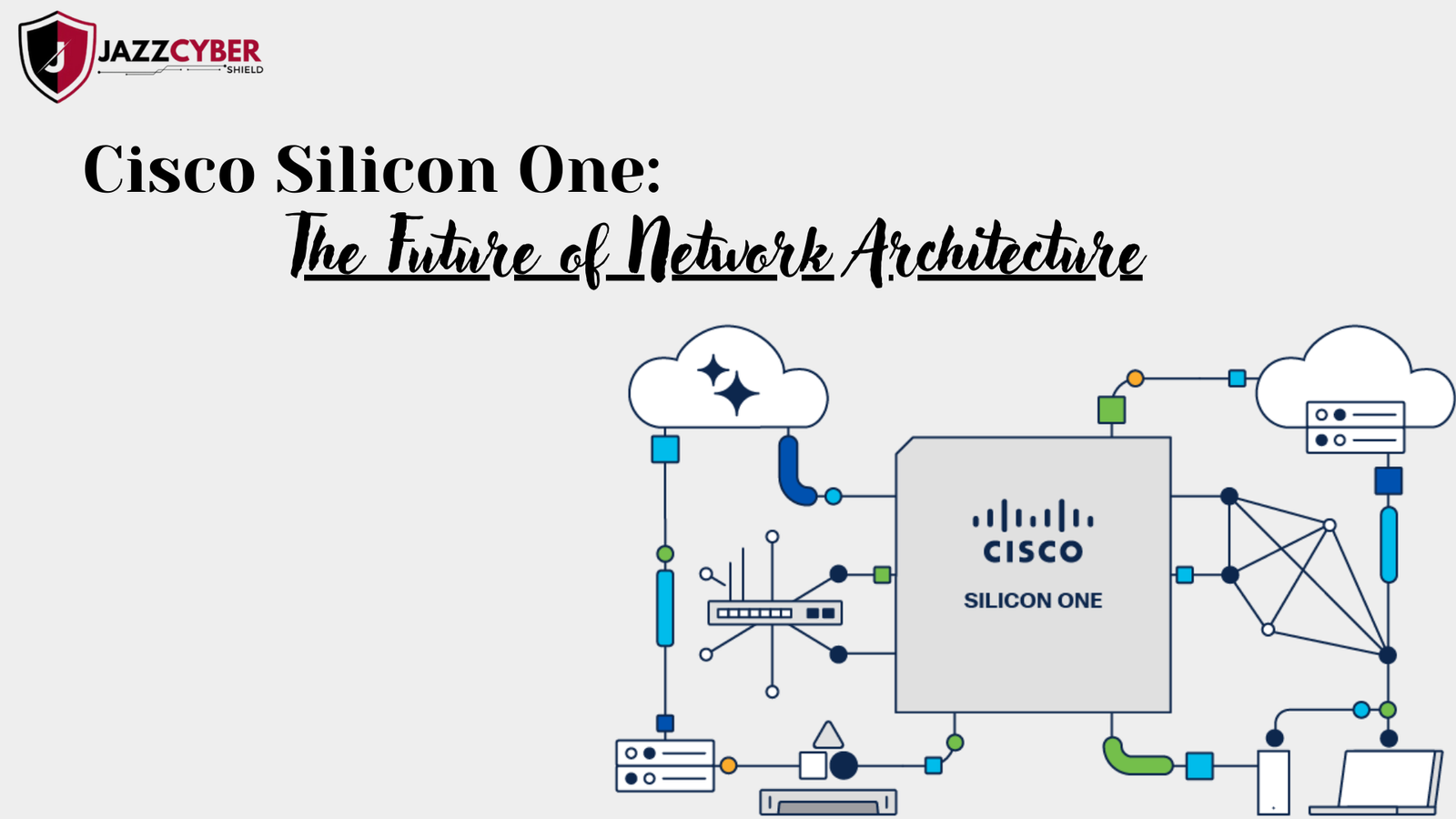
Cisco Silicon One is the next‑generation network silicon architecture powers modern networking hardware. As networks grow faster, while AI & cloud demands rise, Silicon One delivers massive bandwidth, strong security, & unified performance service providers, data centers, & enterprises. Moreover, simplifies network design & boosts efficiency across routing & switching platforms. Cisco Silicon One stands apart because blends scalability, programmability, and power efficiency a unified silicon foundation drives future networks.
What Is Cisco Silicon One?
Cisco Silicon One is unified silicon architecture replaces multiple network chip designs with adaptable design. Consequently, network operators deploy it from access networks to core and data centers, without switching to different chips for each use case. This approach reduces complexity & speeds up deployment time, and cuts operational expenses (OpEx) & capital expenses (CapEx).
Additionally, Silicon One programmability, scalability, low latency, and advanced telemetry one platform. This means you evolve network over time without frequent hardware upgrades.
Key Features of Cisco Silicon One
1. Unified Architecture for Versatile Networks
Cisco Silicon One supports routing and switching tasks using same base silicon design. Therefore, simplifies network infrastructure & reduces need multiple chip families. This unified architecture supports fixed, modular, & disaggregated hardware forms.
2. High Performance and Bandwidth
Silicon One multi‑terabit throughput, enabling networks handle massive traffic loads cloud, enterprise, and AI workloads. For example, newer chips like the P200 can help build systems with over 51.2 Tbps bandwidth, ideal for AI data center interconnects and advanced network fabrics.
3. Programmability and Flexibility
Unlike many traditional silicon chips, Cisco Silicon One uses a programmable SDK and P4‑capable processors. This network developers & engineers adapt network behavior evolving application requirements without changing hardware.
4. Power Efficiency and Sustainability
Because Silicon One advanced design techniques, cuts power draw & boosts efficiency. As a result, networks can sustain higher performance per watt and support greener infrastructure with fewer devices and lower operating costs.
How Cisco Silicon One Helps Modern Network Designs
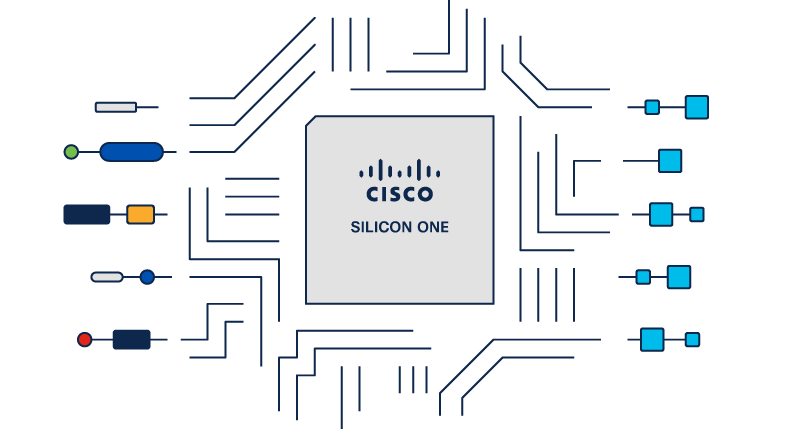
AI and ML Networking
With AI workloads exploding, data centers networking silicon that scale dramatically & operate securely across locations. Cisco Silicon One enables this offering programmable, low‑latency connectivity that links multiple data centers & accelerates distributed AI clusters.
Service Provider Networks
For service providers building next‑generation broadband and edge networks, Silicon One provides flexible silicon capable of both switching and routing at high performance. This reduces complexity and enhances the delivery of AI‑ready services.
Enterprise and Cloud Data Centers
In enterprise and cloud hubs, Cisco Silicon One increases efficiency and performance for top‑of‑rack and backbone networks. It enables advanced telemetry, deep buffers, and line‑rate processing for complex traffic patterns.
Cisco Silicon One Use Cases
Here are some real‑world scenarios where Silicon One excels:
- Hyperscale AI networks that need vast data transfers between clusters.
- Cloud data center routing that demands both high throughput and programmability.
- Service provider metro and edge networks that require consistent performance and reduced OpEx.
- Enterprise campus and data center switching with advanced telemetry and security.
Benefits of Cisco Silicon One for Network Engineers
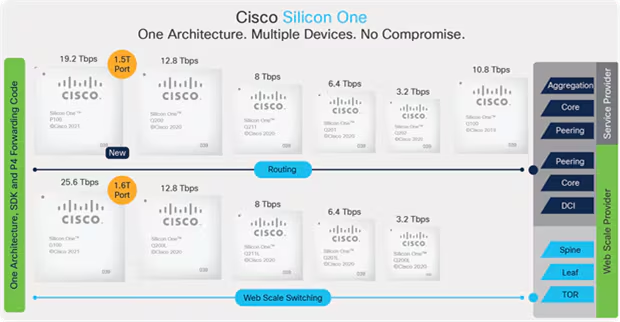
Because Cisco Silicon One creates a single network silicon foundation, engineers benefit from:
- Easier network provisioning and upgrades.
- Reduced learning curve, since one architecture supports multiple roles.
- Lower total cost ownership (TCO) future‑proofed silicon.
In addition, programmability ensures long‑term adaptability network demands evolve.
Why Cisco Silicon One Is the Future of Networking
Cisco Silicon One not just fast networking silicon; it’s platform designed tomorrow’s connected world. Because its unified design, wide range supported factors, & advanced capabilities such programmability & deep telemetry, it positions Cisco at the forefront of high‑performance networking.
Businesses & service providers now build, scale, & secure complex networks confidence, enabling innovations like AI, IoT, cloud computing, & web‑scale data delivery years to come.
Conclusion
Cisco Silicon represents major leap network silicon architecture, unifying routing, switching, programmability, & high performance a single platform. As networks grow faster and complex, this next‑gen silicon helps organizations reduce costs, boost speed, increase security, & support future technologies.
For enterprise networks service providers, choosing Cisco Silicon One means building future‑ready foundation scales with your needs.
Explore more about Cisco Silicon One at Jazz Cyber Shield and stay updated on the latest in network silicon, AI infrastructure, and enterprise networking solutions.


The unification of performance and security in Cisco Silicon One is a smart move, especially as networks become more complex. It’ll be interesting to see how this architecture performs as more enterprises transition to high-speed, cloud-driven environments.