




When businesses evaluate network security infrastructure, two names dominate the mid-market conversation more than any other — Ubiquiti UniFi and Cisco Meraki. Both platforms promise enterprise-grade networking, centralized management, and robust security features. But they target the market very differently in terms of pricing, management philosophy, hardware approach, and total cost of ownership.
Understanding the Two Platforms
Before comparing specific features, understanding what each platform actually is clarifies the comparison significantly.
Ubiquiti UniFi is a networking ecosystem built around Ubiquiti’s hardware — access points, switches, routers, and security gateways — managed through the UniFi Network application. The platform runs either on a local UniFi Cloud Key or Dream Machine controller, or through Ubiquiti’s cloud-hosted UniFi Site Manager. UniFi uses a perpetual licensing model — you buy the hardware once and pay no recurring subscription fees for the core management platform. This approach makes UniFi exceptionally cost-effective for businesses that want enterprise-level features without enterprise-level ongoing costs.
Cisco Meraki is a cloud-managed networking platform that Cisco acquired in 2012 and has since developed into one of the most widely deployed enterprise networking ecosystems globally. Meraki hardware — including its MX security appliances, MS switches, and MR access points — requires an active cloud dashboard license to function. Without a valid license, Meraki hardware stops working entirely. This subscription dependency is Meraki’s most controversial characteristic, but it comes paired with genuinely excellent cloud management capabilities, deep enterprise integrations, and Cisco’s full support infrastructure.
Firewall Capabilities: UniFi vs Cisco Meraki
Firewall capability is the most critical comparison dimension for businesses evaluating these platforms for network security.
UniFi Firewall Features: Ubiquiti’s Dream Machine Pro and UniFi Gateway platforms deliver stateful firewall inspection, VLAN-based network segmentation, traffic shaping and QoS, site-to-site VPN through IPsec and WireGuard, client VPN through L2TP and WireGuard, and Intrusion Detection and Prevention through its built-in IDS/IPS engine. UniFi’s firewall rule management interface gives administrators granular control over traffic policies between network segments, and the platform supports both IPv4 and IPv6 firewall rules throughout.
Cisco Meraki Firewall Features: Cisco Meraki’s MX security appliances deliver stateful firewall inspection, content filtering, intrusion prevention, advanced malware protection through Cisco’s Talos threat intelligence — one of the largest commercial threat intelligence operations in the world — site-to-site Auto VPN that simplifies multi-site deployments significantly, SD-WAN capabilities, application-layer traffic inspection, and deep integration with Cisco’s broader security ecosystem including Cisco Umbrella DNS security and Cisco Duo two-factor authentication.
Management Experience: Cloud vs Local Control
The management experience represents one of the most significant practical differences between these two platforms for day-to-day IT operations.
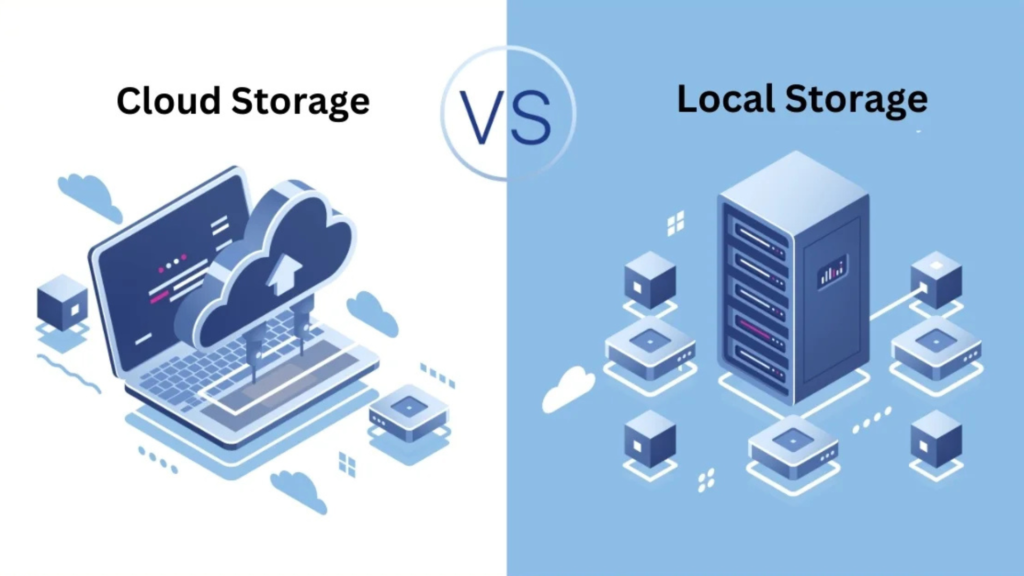
Cisco Meraki is entirely cloud-dependent. The Meraki dashboard delivers an exceptionally polished and intuitive management experience that consistently receives praise from network administrators for its clarity and depth of visibility. However, every configuration change, every policy update, and every monitoring function flows through Cisco’s cloud infrastructure. Businesses operating in regulated industries or environments with strict data sovereignty requirements must evaluate whether this cloud dependency aligns with their compliance obligations.
Pricing and Total Cost of Ownership
Pricing is where the UniFi versus Cisco Meraki comparison becomes most starkly different, and for many small and medium businesses it represents the deciding factor.
A comparable Cisco Meraki deployment at the same scale typically costs between eight thousand and twenty thousand dollars over a three-year period when hardware and mandatory license fees are combined. Meraki’s licensing runs approximately one thousand to two thousand dollars per security appliance per year depending on the license tier, and every connected switch and access point requires its own annual license.
Reliability and Support
Both platforms deliver solid hardware reliability, but their support models differ significantly.
Ubiquiti provides community-driven support through its forums — which are genuinely active and technically capable — and direct support through Ubiquiti Care subscriptions. However, Ubiquiti’s direct support responsiveness has historically received mixed reviews compared to Cisco’s enterprise support standards. Businesses that require guaranteed response times and formal support SLAs typically find Cisco Meraki’s support model more appropriate for their operational requirements.
Which Businesses Should Choose UniFi?
UniFi is genuinely good enough for business use across a wide range of deployment scenarios. Small and medium businesses with competent in-house IT staff or a capable managed service provider, retail locations, hospitality environments, professional offices, schools, and multi-site organizations with moderate complexity all represent strong UniFi deployment candidates.
UniFi delivers particular value for businesses that want granular network control, VLAN segmentation, strong VPN capabilities, and acceptable IDS/IPS protection at a price point that leaves budget available for other security investments. The platform handles hundreds of connected devices reliably and its management interface has matured significantly over the past three years.
Which Businesses Should Choose Cisco Meraki?
Cisco Meraki earns its premium pricing in specific scenarios where its advantages genuinely matter. Large enterprises with existing Cisco infrastructure investment, businesses operating in heavily regulated industries requiring formal compliance documentation and enterprise support SLAs, organizations that need deep SD-WAN capabilities across many sites, and companies that rely on Cisco’s Talos threat intelligence and Umbrella DNS security integration all represent strong Meraki deployment candidates.
Meraki also suits organizations where the IT team is smaller or less specialized — its exceptionally intuitive dashboard reduces the expertise barrier for day-to-day network management compared to platforms that require deeper technical knowledge to configure correctly.
Conclusion
The UniFi versus Cisco Meraki decision ultimately comes down to budget, support requirements, and deployment complexity. UniFi is genuinely good enough for business in the vast majority of small and medium business scenarios — it delivers enterprise-grade firewall capabilities, solid VPN functionality, reliable VLAN segmentation, and an increasingly capable threat management feature set at a fraction of Meraki’s total cost of ownership.

