



In 2026, enterprise cybersecurity has evolved beyond just traditional firewall protections. Organization across all over the USA & Europe are shifting to Secure Access Service Edge (SASE) solutions to addresses modern challenge of hybrid workforces, cloud computing & increasing cyber threats. In these article, we’ll explore difference between both Palo Alto SASE and traditional firewalls, highlight key benefits of SASE, or help enterprise makes informed decision about network security strategy.
What is SASE? Understanding Secure Access Service Edge
Secure Access Service Edge (SASE) is revolutionary approach to the network security that combines all cloud delivered security services with wide area networking (WAN) capabilities. Unlike traditional firewalls, which rely on the hardware deploys in data center, SASE operate in cloud, provides flexible, scalable & centralized security management.
Key Features of SASE:
- Cloud native architecture
- Integration with SD-WAN
- Zero Trust Network Access (ZTNA )
- Secure Web Gateway ( SWG) & Cloud Access Security Broker (CASB )
- Real time threats detection using AI
- Endpoint security integration
- Support for hybrid cloud environments
By adopting SASE, enterprises can protect remote employees, cloud applications & on premises resources without limitations of traditional hardware firewalls.
Traditional Firewalls and Their Limitations
Traditional firewalls, includes Next Generation Firewalls (NGFW), have serves enterprise for decade. They provide perimeter security, controlling traffic based on IP addresses, ports & protocols. However, in modern digital environment, traditional firewalls face several limitations:
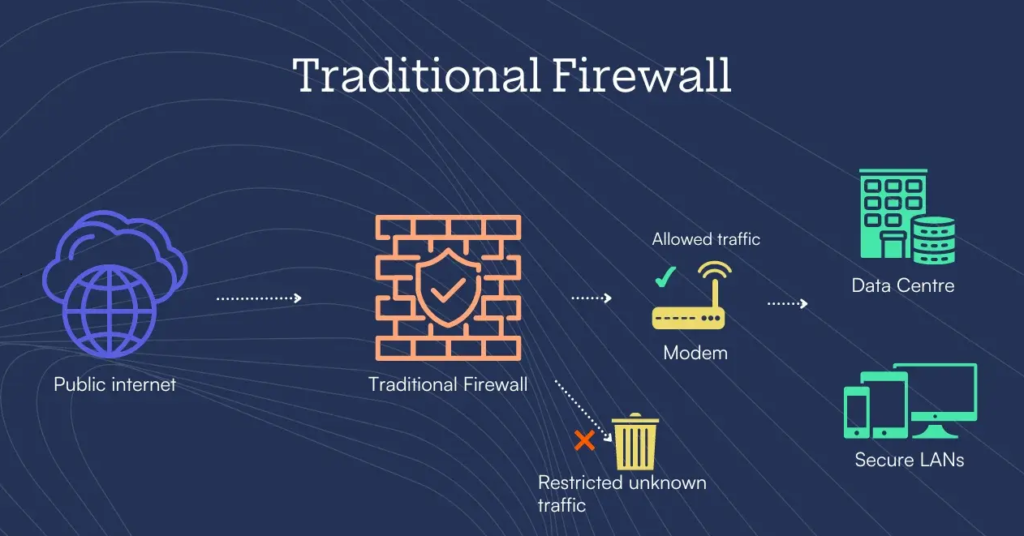
- Limited scalability: Hardware firewalls require additional device to handle more traffic.
- Complex management: Managing multiple firewalls across locations can be challenge.
- Inadequate cloud protection: Traditional firewalls struggle with cloud native applications & hybrid networks.
- High costs: Hardware upgrades, maintenance & license fees increase total cost of ownership.
- Slower threat detection: Unlike cloud based SASE solutions, traditional firewalls may not detect emerging threats in real time.
These limitations make it clear why SASE adoption is increasing among enterprises in the USA, UK, Germany & other European countries.
Palo Alto SASE vs Traditional Firewalls — Feature Comparison
To help you visualize the differences, here’s a detailed comparison table:
| Feature | Palo Alto SASE | Traditional Firewall (NGFW) |
|---|---|---|
| Deployment | Cloud-native | On-premises / Hardware-based |
| Scalability | Highly scalable | Limited, requires hardware expansion |
| Security Model | Zero Trust, AI-driven threat detection | Perimeter-based, signature-driven |
| Cloud Integration | Full support for hybrid cloud & SaaS apps | Limited cloud integration |
| Management | Centralized, unified dashboard | Decentralized, multiple devices |
| Remote Workforce Support | Excellent | Moderate to poor |
| Cost | Subscription-based, flexible | High upfront and maintenance cost |
| Updates | Continuous cloud updates | Manual updates & patches |
Conclusion: SASE clearly outperforms traditional firewalls in terms of flexibility, cloud security & threat protection, makes it ideal solution for enterprisers moving toward digital transformation.
Why Enterprises Need SASE in 2026
As enterprise embraces hybrid work model & increases rely on cloud services, network security requirement are mostly evolving. Here’s why SASE is critical in 2026:
1. Enhanced Cloud Security
- Protect cloud application & SaaS platforms such as Office 365, Salesforce & AWS.
- Integrate Cloud Access Security Broker (CASB) for the real time monitoring.
- Detect unusual behaviour & prevents to data breaches.
2. Zero Trust Network Access
- Verify user & device before granting access.
- Reduce the risk of insider threats.
- Ensure secure accesses for remotes & hybrids workforces.
3. Simplified Network Management
- Centralized control eliminate complexity of managing multiple firewall devices.
- Continuous monitoring & AI driven insights improve IT operational efficiency.
4. Cost-Effectiveness
- Subscription based model reduces upfront hardware costs.
- Reduces IT maintenance & management overhead.
5. Real-Time Threat Detection
- AI driven threat intelligence identify cyber threats faster than traditional firewalls.
- Protect againsts phishing, ransomware, malware & advanced persistent threats (APT ).
Enterprise Network Security Trends in 2026
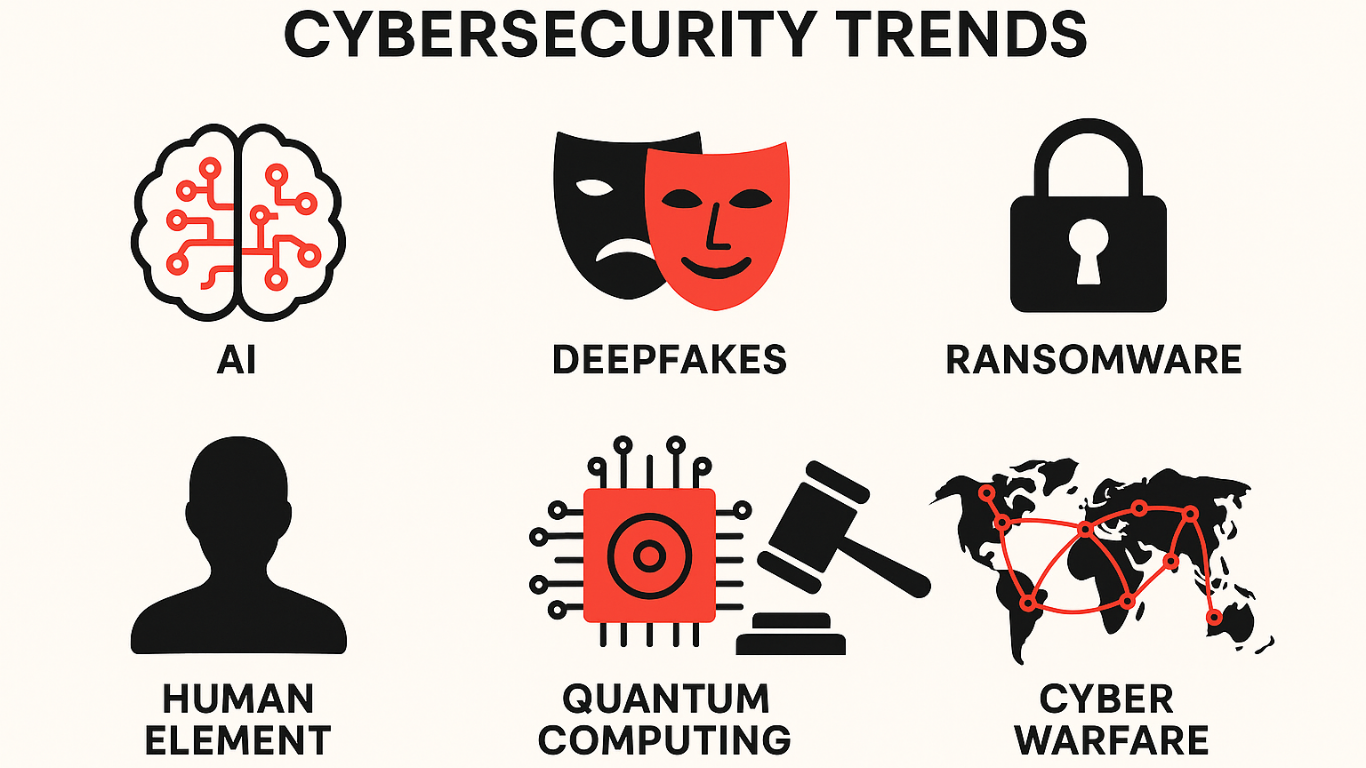
Enterprises in USA, Europe & globally are embracing several trends shaping cybersecurity:
- Hybrid Cloud Security: Organizations are securing data across cloud & on premises environment.
- SD WAN Integration: Ensure fast & secure connectivity for branches office.
- Firewall as a Service (FWaaS): Cloud delivered firewall functionality replaces traditional hardwares.
- Zero Trust Architecture: Full adoption for all enterprise networks.
- AI & Automation: Real time threat detection & automated response reduce human intervention.
Those trends highlights why the SASE is rapidly replacing traditional firewalls in modern enterprises.
Benefits of Using Palo Alto SASE
- Full Network Visibility: Unifies dashboard show all of users, devices & traffic.
- Scalable Security: Easily adds newly user or branch offices without any additional hardware.
- Improved Performance: Cloud delivery reduces latency compares to traditional firewall routing.
- Compliance Friendly: GDPR, CCPA, HIPAA compliances made them easiest with centralize policies.
- Future Proof: SASE evolves with the new cyber threats & enterprise needs.
Key Takeaways for Enterprises
- Traditional firewalls are no longer sufficient for modern cloud based networks.
- SASE combines cloud security, SD WAN & Zero Trust into single framework.
- Enterprises adopting SASE gain scalability, centralized management & advanced threat detection.
- Investing in SASE now ensures long term network protection & compliance.
- Hybrid workforces, cloud native applications & regulatory requirements makes SASE strategic priority for 2026.
Conclusion
In conclusion, Palo Alto SASE clearly outperforms traditional firewalls in almost every aspect — from scalability & cloud security to real time threat detection & cost effectiveness. Enterprises in USA, UK, Germany & other European market are being rapidly adopting SASE solutions to future proof their cybersecurity strategy.
By integrating SASE into enterprise network, you not only improve the security but also simplifies management, enhance performance & prepare your organization for challenges of 2026 & beyond.


This is a very well-written and insightful article. The comparison between Palo Alto SASE and traditional firewalls is explained clearly and logically. I especially liked how the blog focuses on real enterprise challenges such as cloud adoption and remote work in 2026. A highly valuable read for decision-makers in IT security.
This article does an excellent job of breaking down complex security concepts into clear and practical insights. I found the comparison between Palo Alto SASE and traditional firewalls incredibly informative, especially for understanding modern enterprise needs. The real-world examples and forward-looking perspective for 2026 made it a very engaging read. Highly recommended for IT professionals evaluating next-gen security solutions.
This blog provides an in-depth and well-explained comparison between Palo Alto SASE and traditional firewalls that truly adds value for enterprise readers. The way cloud-native security and zero trust architecture are explained makes the topic easy to understand, even for non-technical decision-makers. I especially liked how the article highlights the limitations of legacy firewalls in hybrid and remote work environments. The focus on performance, scalability, and centralized management feels very relevant for 2026. The Palo Alto SASE use cases are practical and clearly aligned with real enterprise needs. It also does a great job explaining why perimeter-based security is no longer enough. The writing is clear, structured, and professional throughout. This blog helps enterprises confidently plan future-ready cybersecurity strategies.
An excellent and insightful blog! The author breaks down complex security concepts into digestible sections, showing why Palo Alto SASE is becoming essential for enterprises in 2026. I appreciate the practical focus on performance, scalability, and Zero Trust architecture. Very useful for anyone evaluating next‑gen network security options.
I really enjoyed reading this blog because it explains a complex topic in a very natural and easy way. The comparison between Palo Alto SASE and traditional firewalls feels practical and based on real enterprise needs. I especially liked how you explained the challenges companies face with remote and hybrid work. The points about cloud-based security and zero trust make a lot of sense for 2026. It doesn’t feel overly technical, yet it still provides useful insights. The flow of the content is smooth and easy to follow. Overall, this article helps readers clearly understand why many enterprises are moving beyond traditional firewalls.
Excellent and informative blog post. The way Palo Alto SASE is positioned against traditional firewalls makes it easy to understand why enterprises are shifting their security strategies. The discussion around scalability, Zero Trust, and future readiness is particularly strong. Definitely a must-read for modern network security planning.