




So much is happening in the networking technology world, especially in bringing a transformation called Thread Networking that is changing the face of the Internet of Things (IoT). The increasing number of connected devices in organizations and households proves the necessity for better, more reliable, secure, and scalable network solutions. Along comes Thread, a new protocol that promises to cantilever all these.
What is Thread Networking Technology?
Thread Networking Technology is shaping the future of IoT, and why giants such as Cisco, HPE Aruba, and Fortinet are placing their stakes on it: For the Internet of Things of tomorrow, Thread Technology is indeed going to let new lifeblood pour into its marketplaces.
Key Features of Thread:
- Low Power Consumption: Thread is optimized for low energy consumption, making it perfect for battery-powered devices.
- Security: Built with robust IoT security protocols, it ensures data integrity and privacy at all levels of the network.
- Scalability: Whether you’re connecting a handful of devices or hundreds, Thread’s mesh network can easily scale to meet the needs of large and growing IoT ecosystems.
- IPv6 Support: Its use of IPv6 ensures that there is virtually no limit to the number of devices that can be connected.
How Thread Networking Technology is Revolutionizing IoT
IoT has seen explosive growth in recent years, with everything from smart thermostats to industrial sensors becoming part of our connected world. However, many IoT networks struggle with issues related to connectivity reliability, IoT security, and device compatibility. Thread’s design addresses all these issues, making it a strong contender in the IoT networking space.
1. Enhanced Connectivity with Mesh Networking
Thread’s mesh architecture enables devices to relay information to each other, ensuring that the network remains robust even if one or more devices go offline. This is particularly beneficial in IoT environments, where devices are spread across large areas and constant communication is vital. The mesh network helps extend coverage and eliminates the limitations often faced by traditional hub-based networks like Wi-Fi.
2. Seamless Interoperability
Thread is designed to be device-agnostic, meaning it can work with devices from various manufacturers. This ensures that users can mix and match products from different IoT ecosystems without worrying about compatibility issues. As more companies support the Thread protocol, the possibilities for creating a smart home fully interoperable IoT network are boundless.
3. Stronger Security for IoT Devices
Security is a major concern for both homes and enterprises. Thread prioritizes IoT security with built-in encryption, secure device authentication, and end-to-end data protection. This makes it safer than older protocols like Zigbee or Z-Wave.
Why Major Players Like Cisco, HPE Aruba, and Fortinet Are Embracing Thread Networking
The adoption of Thread Networking technology is not just a trend, but a strategic shift for industry leaders like Cisco, HPE Aruba, and Fortinet, who are investing heavily in supporting and integrating Thread into their product lines and solutions. Here’s why:
Cisco: Powering Smart Enterprises with Thread
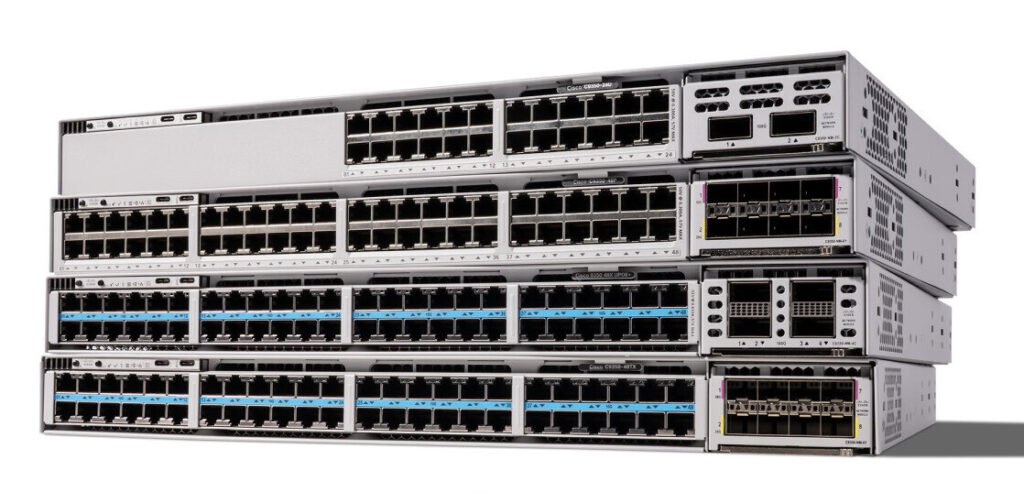
This switch remains a leader in enterprise networking, offering cutting-edge solutions to manage complex infrastructures. With the rise of IoT, Cisco has adopted Thread to power smart enterprise solutions. Its low-power and scalable features are ideal for enterprise IoT deployments. Additionally, combining Thread with Cisco’s network security solutions helps protect IoT devices from modern cyber threats.
HPE Aruba: Strengthening IoT Networks
HPE Aruba sees major potential in Thread Networking. Known for high-performance enterprise products, Aruba is now creating Thread-enabled IoT systems. Aruba’s mesh Wi-Fi combined with Thread boosts connectivity in smart campuses, healthcare, industrial IoT, and smart cities. It also supports thousands of low-power IoT devices with strong uptime and reliability.
Fortinet: Security for the Connected World
In cybersecurity, Fortinet stands out for protecting large-scale IoT networks. With rising cyber threats, Fortinet is integrating the Thread protocol into its powerful security appliances. Thread’s secure networking capabilities, combined with Fortinet’s firewalls, intrusion prevention systems (IPS), and security management, deliver strong protection for IoT infrastructures.
The Future of Thread Networking Technology
The growth of Thread Networking is still in its early stage, but its potential to revolutionize IoT communication is undeniable. As more companies — including Cisco, HPE Aruba, and Fortinet — invest in this protocol, Thread is becoming a mainstream solution for smart homes, smart cities, and industrial IoT.

Its smooth integration with existing networking infrastructures, plus its secure, low-power, and scalable design, positions Thread as the future of connected technology.
Conclusion
Thread Networking Technology is reshaping the landscape of IoT, offering scalable, secure, and energy-efficient solutions for a more connected world. With industry giants like Cisco, HPE Aruba, and Fortinet backing this innovative protocol, the adoption of Thread is only set to increase. For businesses and consumers alike, Thread promises a future where smart devices work seamlessly together, creating reliable, secure, and efficient IoT networks. Stay ahead of the curve and start exploring the possibilities that Thread Networking Technology can offer today!
Really interesting read! I didn’t know Thread networking could make IoT connections so much more efficient. The examples with Cisco, HPE Aruba, and Fortinet made it really easy to understand. Can’t wait to see this in action!