




Cisco switches play major role in modern business networks. Moreover, many organizations compare Cisco Catalyst vs Cisco Business Switches before purchasing. Therefore, understanding the difference helps reduce cost & risk. Additionally, each switch series targets a different business size. Furthermore, Cisco updated both lines in 2025 to support cloud access & hybrid work. This guide explains the comparison clearly & simply.
Overview of Cisco Catalyst Switches

Cisco Catalyst switch design for enterprise networks. Moreover, they support large-scale & complex infrastructures. Therefore, organizations deploy them in campuses & data centers. Additionally, these switches deliver advanced routing & switching features. Furthermore, Cisco Catalyst switch integrate with centralized management tools. They attention to performance, scalability & long term reliability.
Cisco Catalyst switches are best known for:
- Supporting large enterprise networks
- Handling high traffic loads efficiently
- Offering advanced Layer 3 capabilities
- Scaling across multiple locations easily
Moreover, these strengths make Catalyst switches ideal for mission critical environments.
Overview of Cisco Business Switches
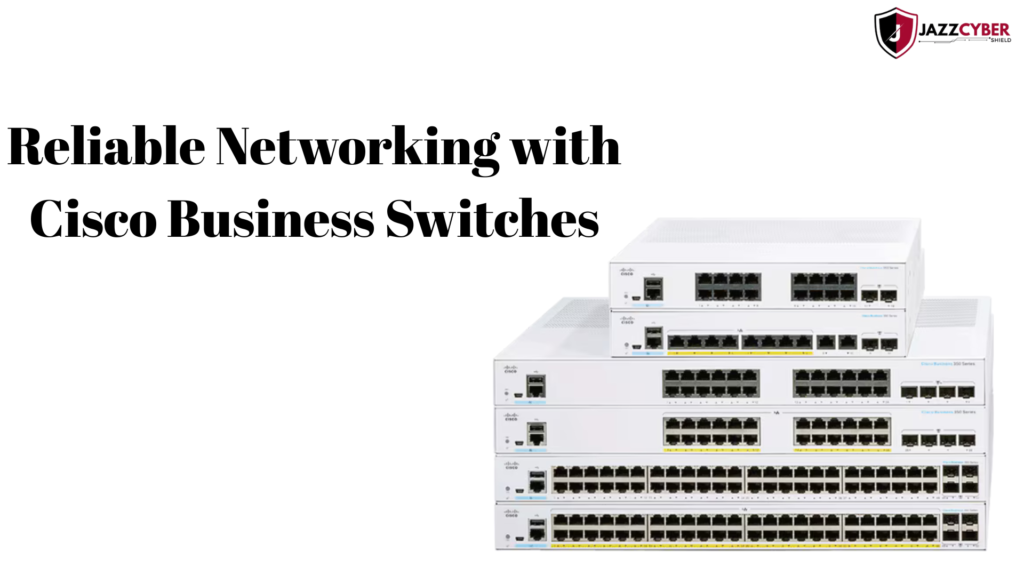
Cisco Business Switches built for small & medium businesses. Moreover, they provide essential feature at lower cost. Therefore, SMBs deploy reliable networks without complexity. Additionally, these switches support simple configuration. Furthermore, Cisco Business Switches work well offices & retail environments.
Cisco Business Switches commonly use because they:
- Offer easy web-based management
- Require minimal technical expertise
- Provide reliable switching for daily operations
- Reduce upfront & licensing costs
Additionally, these switch focus simplicity & quick deployment.
Key Differences Between Cisco Catalyst & Cisco Business Switches
Cisco Catalyst & Cisco Business Switches differ design & functionality. Moreover, Catalyst switches support advanced enterprise features. Therefore, they handle complex traffic patterns easily. Additionally, Cisco Business Switches focus on basic networking needs. Furthermore, these differences affect performance & management.
Main differences include:
- Target users: Enterprises vs small businesses
- Features: Advanced routing vs essential switching
- Scalability: High growth vs limited expansion
- Management: Advanced tools vs simple interfaces
As a result, choosing the right switch depends on business size & network goals.
Performance & Scalability Comparison
Cisco Catalyst switch deliver consistent performance under heavy workload. Moreover, they support stacking & modular expansion. Therefore, enterprises can grow networks without downtime. Additionally, Cisco Business Switches handle moderate traffic efficiently. Furthermore, they support SMB growth up to a certain level.
Performance comparison summary:
- Catalyst switches support high-density traffic
- Business Switches handle everyday workloads
- Catalyst scales across many sites
- Business Switches suit single or small networks
Therefore, scalability needs strongly influence the final decision.
Management & Configuration
Cisco Catalyst switches offer advanced management capabilities. Moreover, they integrate with centralized platforms. Therefore, IT teams gain deep visibility & control. Additionally, automation simplifies monitoring tasks. Furthermore, Cisco Business Switches provide simple web & app-based management.
Management differences include:
- Centralized enterprise tools for Catalyst
- Simple dashboards for Business Switches
- Higher learning curve for Catalyst
- Faster setup for Business Switches
Thus, management complexity varies significantly.
Security Features Comparison
Network security remain priority in 2025. Moreover, Cisco Catalyst switches include enterprise grade security control. Therefore, organizations enforce segmentation & access policies. Additionally, Cisco Business Switches provide basic protections. Furthermore, security needs depend on business risk levels.
Security feature highlights:
- Advanced access control on Catalyst switches
- VLAN and port security on Business Switches
- Better compliance support with Catalyst
- Basic protection for SMB environments
As a result, enterprises usually prefer Catalyst for security.
Cisco Catalyst vs Cisco Business Switches
| Feature | Cisco Catalyst | Cisco Business Switches |
|---|---|---|
| Best For | Large enterprises | Small & medium businesses |
| Network Size | Large, complex networks | Small to mid-size networks |
| Performance | High-performance switching | Reliable daily performance |
| Scalability | Highly scalable | Limited scalability |
| Management | Advanced centralized tools | Simple web-based management |
| Security | Advanced enterprise security | Basic network security |
| Licensing | Requires licenses | Minimal or no licensing |
| Cost | Higher cost | Budget-friendly |
| Deployment | Complex setup | Quick and easy setup |
Cost and Licensing Differences
Cisco Catalyst switches involve higher upfront costs. Moreover, licenses are often required. Therefore, enterprises plan long-term budgets. Additionally, Cisco Switches offer affordable pricing. Further more, they include minimal licensing requirements.
Cost comparison overview:
- Catalyst switches = higher cost, more features
- Business Switches = lower cost, fewer features
- Licensing impact long term expenses
Thus, budget play critical role in selection.
About Jazz Cyber Shield
Jazz Cyber Shield helps organizations select & deploy Cisco switching solutions. Moreover, the company provides expert consultation & support. Therefore, businesses avoid configuration errors. Additionally, Jazz Cyber Shield designs secure & scalable networks. This ensures reliable performance aligned with business needs.
Conclusion
Cisco Catalyst vs Cisco Business Switches serve different purposes. Moreover, Catalyst switches deliver enterprise performance & scalability. Therefore, large organizations benefit most. Additionally, Cisco Business Switches offer simplicity & affordability. Furthermore, SMBs gain reliable networking without complexity. Choosing the right switch depends on size, budget & growth plans.

