




AMD & Intel dominate CPU industry for decade, continuously pushing boundaries of speed, efficiency & performance. Choosing right processor is essential for gaming, productivity or workstations because it directly affect system responsiveness, rendering time & overall performance.
In 2026, AMD vs intel CPU comparison 2026 is more critical than ever. AMD’s Ryzen series & Intel’s Core lineup offer advance architectures, improved multi core performance & efficient integrated graphic. Gamers, content creators & professionals all need clarity on which CPU fit their needs.
This guide will cover amd vs intel gaming performance, processor speed differences, price to performance ratio, multi core performance & laptop efficiency, helping you make informed decisions.
AMD vs Intel: Company Background
Intel, founded in 1968, became synonym with x86 processor, dominating desktop & laptop for decades. AMD, establish in 1969, focus on alternative architecture & competitive pricing. Over time, rivalry driven innovation in gaming, content creation, & workstation CPUs.
The evolution of CPU architecture is clear in the amd ryzen vs intel core latest generation comparison. AMD introduced Zen architectures (Zen 3, Zen 4, Zen 5), offering high multi core performance & efficient power usage. Intel responded with Alder Lake, Raptor Lake & Meteor Lake, combining performance core & efficient core for mixed workload.
Market share show Intel leading in volume, while AMD has gained traction for best cpu for gaming amd vs intel & productivity workload. Key milestone like AMD’s multi threaded dominance & Intel’s hybrid core innovation highlight why this battle remain relevant.
Performance Comparison
Performance is central to AMD vs Intel debate:
- Single core vs Multicore Performance: Intel generally excel in single-core task, benefiting gaming, while AMD lead in multi core performance, ideal for rendering and streaming.
- Clock Speeds: The amd vs intel processor speed difference shows Intel CPUs often achieving higher boost clocks, while AMD balances multi-core efficiency.
- Gaming Benchmarks: Analyzing amd vs intel gaming benchmark comparison, Intel slightly outperforms in FPS-heavy games, while AMD closes the gap in modern titles.
- Productivity Benchmarks: According to intel vs amd productivity benchmarks, AMD’s Ryzen processors lead in multi-threaded tasks such as video editing, rendering, and AI workloads.
- Price-to-Performance: AMD frequently offers superior amd vs intel price to performance ratio, providing more cores per dollar for budget-conscious users.
Processor Architectures
AMD Ryzen architecture highlights: Zen 3, Zen 4, Zen 5 deliver high IPC, multi-core efficiency, DDR5 support, and PCIe 5.0. They are excellent for amd vs intel workstation performance and multitasking.
Intel Core architecture highlights: Alder Lake, Raptor Lake, and Meteor Lake feature hybrid cores (P-core and E-core) for intel vs amd cpu efficiency test. They are strong in single-core gaming and content creation.
- Overclocking Potential: Both brands support enthusiasts, but amd vs intel overclocking potential varies. Intel often provides higher single-core overclocking, while AMD allows multi-core overclocking flexibility.
Integrated Graphics & Specialized Features
Integrated graphics impact laptops, budget desktops, and small builds:
- AMD offers Vega and RDNA integrated graphics, supporting gaming and streaming at moderate settings.
- Intel provides Iris Xe integrated graphics, which perform well in ultrabooks and light gaming.
Specialized features also differ:
- AMD uses Precision Boost for automatic performance scaling.
- Intel leverages Turbo Boost, Smart Cache, and Thread Director.
- Security: AMD SEV vs Intel SGX protects virtualization and secure enclaves.
These features matter for intel vs amd for content creators who rely on graphics acceleration and efficient cores.
Price and Value Comparison
- Budget CPUs: AMD Ryzen often outperforms in cores per dollar (best budget cpu amd vs intel).
- Mid-range: Ryzen 7 and Intel Core i7 compete in gaming and productivity.
- High-end: Ryzen 9 and Intel Core i9 excel in multi-threaded workloads and content creation (amd vs intel cpu for streaming).
This amd vs intel desktop cpu comparison helps users select CPUs based on price, performance, and use case.
Laptop and Mobile Processor Comparison
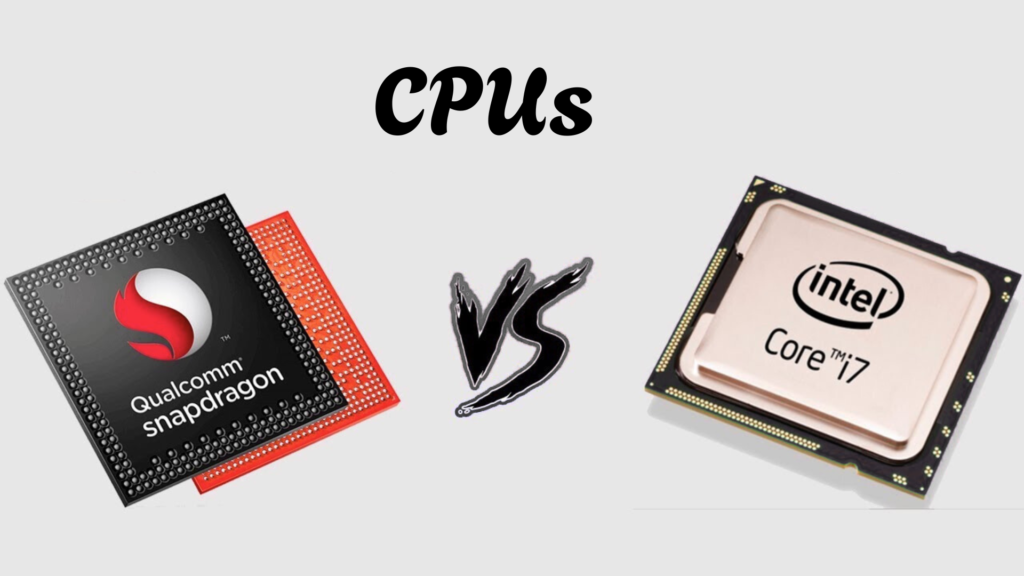
Mobile CPUs affect battery life, thermal efficiency, and portability:
- AMD Ryzen mobile CPUs excel in multi-core performance and power efficiency (amd vs intel laptop processors).
- Intel Core mobile CPUs balance performance and efficiency with hybrid cores.
- Gaming laptops: Intel often provides higher FPS, AMD ensures sustained multi-core workloads.
This comparison is critical for professionals and gamers seeking laptops in 2026.
Real World Use Cases
Best AMD CPUs: Ryzen 5 and 7 for gaming and streaming, Ryzen 9 for workstations and content creation.
Best Intel CPUs: Core i5 and i7 for productivity, Core i9 for high end gaming and AI workloads.
Other use cases:
- Content creation: AMD excels in rendering and video editing.
- Streaming and gaming: Intel offers high FPS performance for esports titles.
- Budget builds: AMD provides more cores per dollar.
Pros and Cons
AMD Pros:
- Higher multi-core performance (amd vs intel multi-core performance)
- Better value
- Strong productivity performance
AMD Cons:
- Slightly lower single-core gaming FPS
- Integrated graphics weaker than Intel on some laptops
Intel Pros:
- Superior single-core speed (amd vs intel processor speed difference)
- Efficient hybrid cores
- Strong integrated graphics
Intel Cons:
- Higher cost per core
- Slightly lower multi-threaded performance
This section addresses amd vs intel pros and cons for gamers, professionals, and enthusiasts.
Future Outlook
- AMD Zen 5 and Ryzen 8000 series expected to increase IPC and multi-core efficiency.
- Intel Meteor Lake and Arrow Lake series promise better hybrid cores and AI acceleration.
- AMD vs Intel CPU recommendation guide will evolve as workloads for gaming, AI, and content creation expand.
Conclusion
The AMD vs Intel rivalry continues in 2026. AMD dominates multi-threaded and workstation workloads, while Intel often leads in single-core gaming and hybrid efficiency. Recommendations:
- Gaming: Intel slightly ahead for FPS-heavy titles
- Productivity: AMD Ryzen for multi-threaded tasks
- Budget builds: AMD Ryzen for value-per-core
- Workstations/Streaming: Choose based on cores and workload type (AMD vs intel CPU for streaming)


I’ve been using AMD processors for the past few years, and the value they offer for multitasking and gaming is incredible—especially with the Ryzen series. Has anyone tried both brands recently and noticed a big difference in day-to-day performance?
This article presents a clear and balanced comparison between AMD and Intel processors. I liked how you explained performance, efficiency, and pricing without leaning too heavily toward one side. The breakdown of use cases like gaming, content creation, and everyday tasks was very helpful. The technical points were explained in a way that’s easy to understand. It’s great to see real-world considerations included instead of just benchmarks. The structure made the article enjoyable to read. Overall, a solid and informative comparison.
Great article! I’ve always wondered which is better for gaming and productivity. Your side-by-side comparison of AMD and Intel made it super easy to understand. Very informative!
Really enjoyed this breakdown of AMD vs Intel—it was balanced and easy to follow. I liked how you highlighted real-world performance instead of just focusing on specs. Your explanation of multitasking vs gaming strengths made everything clearer. Properly written and genuinely helpful!