



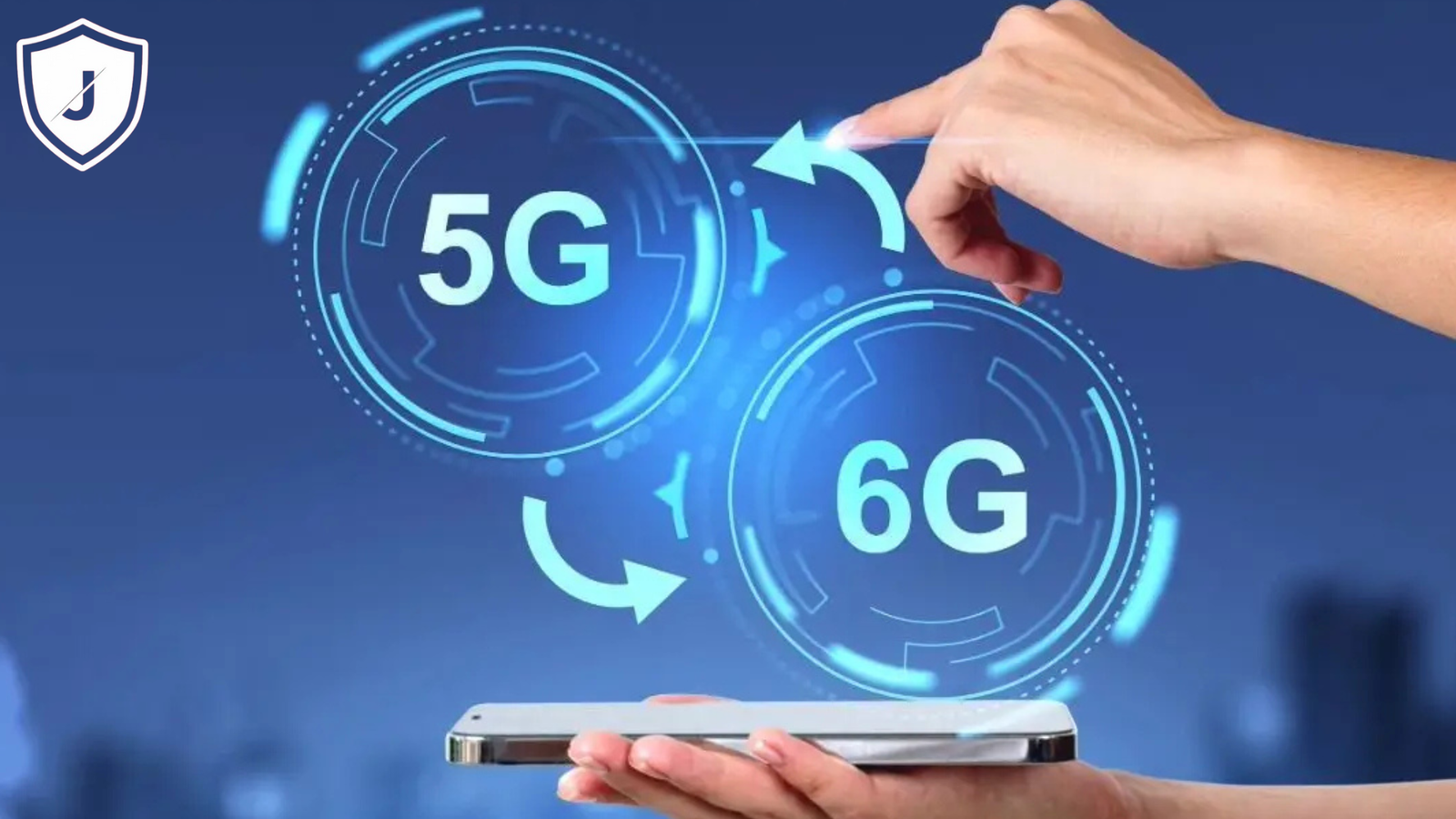
In 2026, demand for faster, more reliable digital connectivity higher than ever. Moreover, businesses, governments & consumers depend heavily on mobile network for daily operation. Consequently, understanding 5G vs 6G comparison 2026 is essential. While 5G already revolutionize mobile experience, 6G promise next level capabilities. Moreover, future of 5G & 6G network shape industries such as healthcare, autonomous vehicle & smart cities. Also, knowing 5G, 6G digital connectivity trend & 5G vs 6G technology difference 2026 crucial for planning next generation network.
What is 5G technology?
5G is the fifth generation of mobile network, designed for high speed data, low latency & massive connectivity. Its core features include ultra fast download, minimal delays & support for millions of connected devices. Moreover, 5G vs 6G speed & performance already transformed industries by enabling real time streaming, remote work & IoT application.
The benefits of 5G are significant. It powers next gen mobile network 2026, support smart factories, autonomous vehicles & telemedicine. However, drawback include infrastructure costs, coverage gaps & security risks. Inspite this, 5G 6G wireless connectivity guide show that 5G remain foundational for digital connectivity, preparing businesses for the 5G & 6G network evolution.
What is 6G Technology?
6G represent the future of mobile network, expected to roll out in the 2030s. It promise ultra low latency, AI integration & holographic communication, surpassing 5G capabilities. Moreover, 6G deliver speeds up to 1 terabit per second, supporting immersive media, interplanetary communication & massive AI driven network.
Although 6G is still in development, 5G vs 6G technology difference 2026 are already being tested in prototype. Furthermore, 5G 6G infrastructure & technology will evolve to support hybrid network. Businesses that monitor these trend prepare for digital connectivity future with 5G 6G & ensure smooth adoption once 6G become commercially available.
Key Difference Between 5G and 6G
Understanding the differences between 5G & 6G 2026 help businesses plan future ready network. First, latency & speed differ significantly. While 5G offer millisecond latency, 6G aim for microsecond response. Second, network capacity expand, supporting billions of connected devices.
Third, 5G 6G use cases 2026 vary widely. 5G supports IoT, smart cities & autonomous vehicles. 6G enable holographic calls, immersive VR/AR & AI driven system. Infrastructure costs are higher for 6G, but efficiency gain & AI optimization provide long term value. Finally, 5G 6G advantages and drawback must be evaluated carefully for business planning upgrade.
Impact on Digital Connectivity & Industries
The 5G and 6G network evolution will transform industries & everyday connectivity. Mobile experiences will become faster, with cloud gaming, streaming & remote collaboration all benefiting. Moreover, 5G 6G network impact on business is substantial. Faster network enable AI integration, automated operations & smarter IoT deployment.
Healthcare, for instance, benefit from remote surgeries, real time monitoring & AI driven diagnostics. Similarly, manufacturing, logistics & smart city management leverage 5G 6G digital connectivity trend for efficiency & cost reduction. Understanding digital connectivity future with 5G 6G is vital for companies aiming to stay competitive in 2026.
Use Case for 5G vs 6G in 2026
5G already supports practical applications:
- Autonomous cars
- Smart factories and supply chains
- Remote work solution & teleconferencing
- Healthcare monitoring & telemedicine
6G will unlock futuristic scenarios:
- Holographic call & immersive VR/AR collaboration
- AI driven network with predictive analytic
- Smart cities with real time energy & traffic optimization
- Interplanetary communications for research & exploration
Transitioning from 5G to 6G require hybrid adoption strategies. Business that leverage 5G 6G use case 2026 now gain a competitive edge & prepare for future network.
Challenges & Consideration for 5G & 6G Adoption
Deploying 5G and 6G come with challenges. Infrastructure costs, spectrum allocation & regulatory approval are significant consideration. Moreover, business maintain network while ensuring 5G 6G wireless connectivity guide compliance & security.
Security risks are also a concern. Both network protect privacy, prevent cyberattacks & manage massive amount of data. Nevertheless, understanding 5G vs 6G adoption trend 2026 & preparing early will mitigate risk. AI enabled monitoring in 6G promise automated threat detection & improve reliability.
Future Prediction – 5G vs 6G Digital Connectivity 2026
Experts predict that 5G 6G digital connectivity trend will accelerate globally. 5G will continue expanding, while 6G prototype will evolve in labs & smart cities. Future network will integrate AI, enabling real time analytic, ultra fast speed & intelligent device management.
The future of 5G & 6G network defined by hybrid deployment, seamless interoperability & ultra low latency. Business adopting 5G today while monitoring 6G development stay ahead of competitor, leveraging 5G vs 6G speed & performance improvement for operation, customer engagement and innovation.
Conclusion
In conclusion, 5G vs 6G speed & performance & the 5G & 6G network evolution define digital infrastructure in 2026 & beyond. 5G power current business operation, IoT deployments & mobile experience. At the same, 6G promise a futuristic leap in connectivity, supporting AI, immersive media & massive device integration. By understanding 5G vs 6G comparison 2026 & planning for hybrid network, business stay competitive, innovative & ready for digital future.
FAQs – 5G vs 6G
1) What is faster: 5G or 6G?
6G is significantly faster, offering speed up to 1 terabit per second, compare to 5G’s multi gigabit speeds.
2) When 6G be widely available?
6G is expect to roll out commercially around 2030, with early adoption in smart cities & advanced lab.
3) How 6G improve digital connectivity compare to 5G?
6G will provide microsecond latency, AI power network intelligence & support for immersive holographic communication.
4) Are health concern with 5G & 6G network?
Current research show 5G is safe & 6G follow strict regulatory standard to minimize risk while enabling high speed connectivity.
5) Which industries benefit from 5G vs 6G?
Healthcare, autonomous vehicle, manufacturing, smart cities & media/entertainment gain most from these network.

